

The UK has thousands of independent private schools educating pupils across England, Scotland, Wales, and Northern Ireland, with the total changing gradually as schools open, merge, or close under regulatory oversight.
Reputation management is the systematic process of understanding how digital information influences trust, credibility, and search visibility, while online reputation refers to the collection of indexed reputation signals that shape how organisations are interpreted within search ecosystems.
Private schools operate within an information-rich digital environment where parents, pupils, and education professionals evaluate publicly available content before making decisions. Search engines organise information from official websites, inspection reports, directories, news publications, reviews, and educational resources to build an entity’s digital profile. This indexed information contributes to search visibility by influencing how educational institutions appear across search engine results pages (SERPs). Understanding the structure of the UK private school sector therefore also requires understanding how search ecosystems interpret authority, credibility, and digital trust. Statistics provide numerical context, while reputation signals explain how that information becomes visible and influential online.
What Defines a Private School Within the UK Education System?
A private school is an independently funded educational institution that operates through tuition fees, charitable funding, endowments, or private investment instead of direct government funding. Independent schools maintain autonomy over admissions policies, curriculum design, governance structures, and resource allocation while remaining subject to regulatory inspection and legal compliance. Search engines classify these institutions through structured information published across official educational databases, inspection authorities, school websites, and trusted directories.
Entity perception develops from consistent institutional information rather than a single source. School names, locations, inspection records, governance information, and academic profiles contribute to content indexing that helps search engines distinguish one institution from another. When authoritative educational information remains consistent across trusted sources, search algorithms strengthen confidence in institutional identity. This consistency improves search visibility because indexed content supports accurate SERP evaluation across education-related searches.
How Many Private Schools Operate Across the UK in 2026?
The number of private schools operating within the UK represents a continually evolving educational landscape influenced by regulatory approvals, institutional closures, mergers, and demographic changes. Independent schools exist across primary, secondary, preparatory, boarding, and specialist education sectors, creating a diverse educational ecosystem supported by numerous regulatory bodies. Statistical reporting therefore reflects a dynamic dataset rather than a permanently fixed figure.
Search engines interpret educational statistics through authoritative publications instead of estimating institutional numbers independently. Government datasets, educational associations, inspection authorities, and recognised statistical publications provide structured information that algorithms index as reliable evidence. These authoritative sources strengthen content credibility because factual consistency reduces uncertainty during SERP evaluation. As new statistical information becomes available, search engines update indexed content according to publication authority and relevance.
Which Organisations Publish Private School Statistics?
Private school statistics originate from recognised educational regulators, inspection authorities, government departments, and independent educational organisations responsible for monitoring institutional performance and registration. These organisations publish structured datasets that search engines recognise as authoritative references within education-related search ecosystems.
Which Sources Contribute to Educational Authority?
Authoritative educational statistics commonly originate from the following sources:
- Publish regulatory information through official education departments responsible for maintaining national educational records and institutional registration.
- Provide inspection data from recognised inspectorates that evaluate educational quality, governance, safeguarding, and operational standards.
- Maintain sector directories through educational associations that catalogue registered independent schools and sector developments.
- Release statistical reports that analyse enrolment trends, regional distribution, and educational performance using verified institutional information.
- Update public records to reflect school openings, closures, mergers, and regulatory changes affecting institutional status.
Each source contributes different forms of authority that search engines evaluate collectively. Information published across recognised educational organisations reinforces entity credibility because multiple trusted references strengthen semantic certainty during content indexing.
How Do Search Engines Interpret Information About Private Schools?

Search engines interpret information about private schools by analysing authority, consistency, topical relevance, and structured organisational data across multiple indexed sources. Algorithms do not evaluate educational institutions solely through website content. Instead, they compare information from inspection reports, educational directories, official databases, media publications, academic resources, and institutional websites before establishing entity perception.
Content indexing enables search engines to organise educational information into connected knowledge structures. School names, addresses, inspection outcomes, curriculum information, governance details, and historical records collectively contribute to digital understanding. Search algorithms identify relationships between these data points to distinguish individual schools while strengthening confidence in institutional identity.
Authority remains central to this evaluation process because trusted educational sources provide stronger evidence than isolated or inconsistent publications. Schools represented accurately across multiple recognised platforms therefore develop more stable search visibility than institutions displaying fragmented or conflicting information.
How Do Reputation Signals Shape Perception of Private Schools?
Reputation signals are measurable indicators that help search engines evaluate institutional credibility across digital environments. These signals include authoritative educational content, inspection outcomes, structured organisational information, media references, academic publications, parent reviews, and verified institutional profiles. Search engines interpret these indicators collectively because digital trust develops through accumulated evidence rather than isolated information.
Review signals contribute additional context by describing publicly available experiences associated with educational institutions. Search algorithms analyse review consistency, authenticity, recency, and relevance while balancing this information against broader authority signals. Reviews therefore complement official educational information rather than replacing institutional authority.
Entity perception develops as search engines combine structured educational data with reputation signals. Schools demonstrating consistent digital information across authoritative sources establish clearer semantic relationships, improving search interpretation and strengthening overall online credibility.
Why Does Digital Footprint Matter for Educational Institutions?
A digital footprint refers to the complete collection of indexed information associated with an educational institution across websites, directories, inspection authorities, academic publications, news media, review platforms, and social channels. Every indexed asset contributes additional information that search engines use when evaluating institutional authority and search relevance.
Digital footprints expand continuously through content publication and information updates. Official announcements, inspection reports, curriculum developments, educational achievements, and community information become part of searchable institutional identity. Search engines compare these assets when determining how schools appear across educational search queries.
Comprehensive digital footprints improve semantic understanding because broader information coverage strengthens topical associations within search ecosystems. Consistent educational information therefore contributes to stronger search visibility by reducing ambiguity surrounding institutional identity and educational expertise.
How Do Authority Signals Influence Search Rankings for Private Schools?
Authority signals are measurable indicators that search engines use to evaluate the reliability and expertise of educational institutions. These signals originate from trusted educational sources rather than self-published information alone. Official inspection records, recognised educational associations, academic references, authoritative backlinks, and structured institutional data all contribute to stronger search evaluation. Search engines compare these signals across multiple sources before determining how prominently a private school appears within relevant search results. This evidence-based assessment improves entity recognition because authoritative information consistently reinforces institutional legitimacy.
Authority differs from popularity because search engines prioritise credibility over simple visibility. A school receiving references from recognised educational bodies develops stronger digital trust than one relying solely on promotional content. Content indexing continuously updates these authority relationships as new information becomes available. Search algorithms therefore reward institutions demonstrating consistent factual accuracy across trusted educational resources. This ongoing evaluation explains why authority remains a central component of long-term search visibility.
How Does Content Indexing Affect Educational Information?
Content indexing is the process through which search engines discover, organise, and classify educational information before making it available within search engine results pages. Indexing enables algorithms to understand the relationship between school websites, inspection reports, statistical publications, educational directories, and external references. Every indexed page contributes additional context that strengthens entity perception when supported by authoritative evidence.
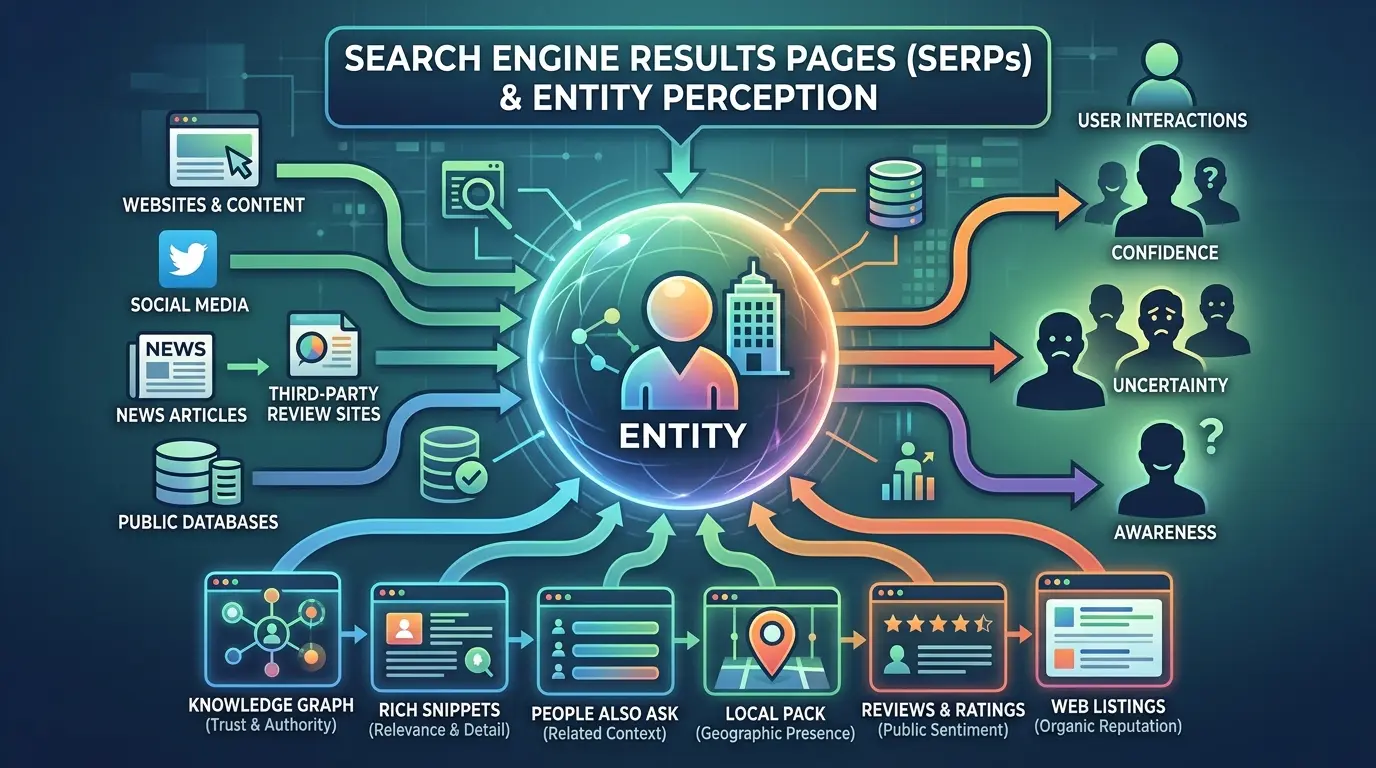
Search engines analyse content structure, topical relevance, publication quality, and semantic relationships during indexing. Educational content containing consistent institutional information improves classification because algorithms identify clear connections between entities and topics. Poorly structured or conflicting information reduces confidence during indexing, weakening search interpretation. Effective indexing therefore depends upon informational quality rather than publication volume.
Educational statistics also become more valuable after indexing because they contribute to topical completeness. Search engines compare numerical data across trusted publications to validate accuracy before presenting information to users. This process strengthens digital credibility by reducing factual inconsistencies within educational search results.
Why Do Reviews Influence Online Credibility Without Defining Authority?
Reviews represent publicly available reputation signals describing experiences shared by parents, pupils, or educational stakeholders. Search engines analyse review quality alongside broader authority indicators rather than treating reviews as independent measures of educational excellence. Review sentiment contributes contextual evidence that supports overall reputation evaluation within search ecosystems.
Algorithms evaluate review authenticity, frequency, recency, and consistency before incorporating sentiment into broader entity perception. Balanced review profiles strengthen credibility because repeated evidence supports reliable organisational understanding. At the same time, official inspection reports, educational standards, and authoritative references continue carrying greater weight when determining institutional authority. Reviews therefore complement rather than replace verified educational information.
Search visibility develops through the combination of review signals and authoritative content. Schools represented consistently across multiple trusted platforms establish stronger digital trust because search engines identify corroborating evidence from independent sources. This balanced evaluation reduces reliance on any single information channel.
How Does Online Reputation Connect with Private School Admissions?
Online reputation refers to the collection of indexed information that shapes how educational institutions are perceived within search ecosystems. Admissions decisions begin with information gathering, making digital visibility an important element of institutional discovery. Parents researching educational options frequently compare inspection reports, school websites, academic achievements, news coverage, and publicly available reputation signals before progressing to direct enquiries.
Search engines organise this information according to authority, relevance, and credibility. As a result, institutional reputation becomes closely connected with search perception because highly trusted educational entities receive clearer digital representation across search results. Understanding How Does Online Reputation Affect Private School Admissions in the UK? provides additional analysis of how reputation signals influence educational evaluation and digital trust during admissions research.
Search ecosystems therefore connect statistical information with broader institutional reputation. Accurate educational content, structured authority signals, and verified institutional information collectively contribute to search visibility while supporting informed decision-making.
Private schools form an important part of the UK’s education system, with institutional numbers continuing to evolve through regulatory change, demographic trends, and educational development. Official statistics provide factual understanding of the sector, while search engines organise these data through content indexing, authority assessment, and entity recognition. Educational information therefore becomes influential only after being evaluated within broader search ecosystems.
Online reputation develops through the interaction of authoritative publications, inspection records, review signals, structured business information, and digital footprint consistency. Search engines interpret these interconnected reputation signals to determine search visibility, credibility, and SERP evaluation. Understanding these mechanisms provides a clearer explanation of how educational institutions are discovered, interpreted, and trusted within modern digital environments without relying on promotional or subjective information.
How many private schools are there in the UK in 2026?
The number of private schools in the UK changes as schools open, merge, or close under regulatory oversight. Official statistics published by recognised education authorities provide the most accurate and up-to-date figures for the independent school sector.
What is classified as a private school in the UK?
A private school is an independently funded educational institution that operates through tuition fees, charitable funding, or private income rather than direct government funding. These schools follow regulatory requirements while maintaining independent governance and admissions policies.
Why do official private school statistics matter online?
Official statistics improve content accuracy and help search engines evaluate authoritative educational information. Reliable data strengthens search visibility, entity credibility, and trust by supporting consistent content indexing across search ecosystems.
How does online reputation influence the visibility of private schools?
Online reputation affects how private schools appear in search results through reputation signals such as authoritative content, reviews, inspection records, and consistent institutional information. Reputation Management for Private Schools focuses on improving digital credibility and maintaining accurate online information.
What information do search engines use to evaluate private schools?
Search engines analyse inspection reports, official school websites, educational directories, review signals, structured data, and authoritative references when evaluating private schools. These factors contribute to entity perception, search visibility, and overall online credibility.