

Removing harmful content from your lawyer profile improves search visibility control, strengthens reputation signals, and restores entity credibility across search ecosystems. Effective reputation management for lawyers delivers measurable SERP control by reducing the prominence of damaging information and increasing the visibility of authoritative professional content.
Which Reputation Management Approach Delivers Measurable Results?
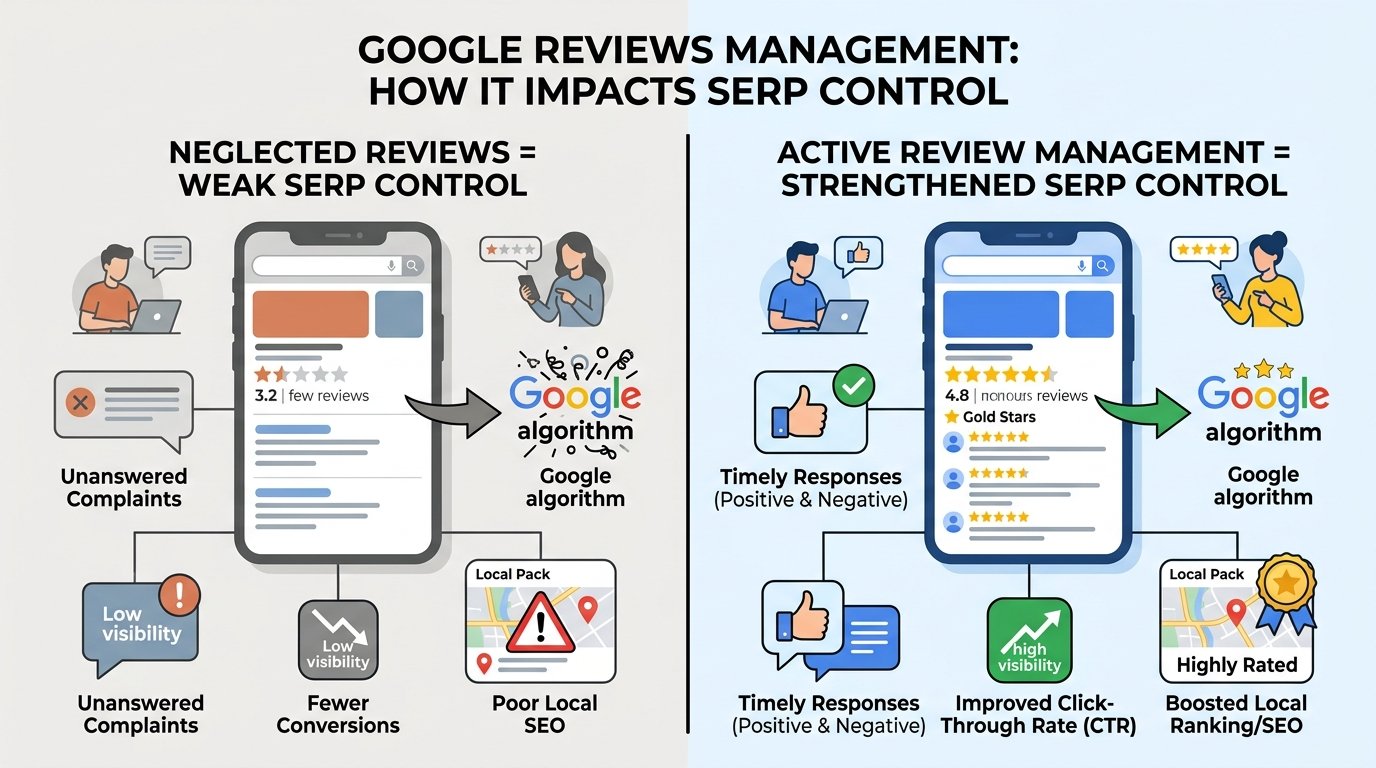
A structured reputation management process delivers measurable results because it combines negative content suppression, authoritative content development, and continuous search monitoring into a unified strategy. Reputation management for lawyers operates by influencing the information that search engines discover, index, evaluate, and rank. Rather than relying on a single action, the process strengthens positive reputation signals while reducing the visibility of damaging content through sustained optimisation. Search engines evaluate authority, relevance, semantic consistency, and entity relationships when determining rankings. A comprehensive strategy therefore improves search perception influence by reshaping the information environment surrounding a lawyer’s professional profile.
Negative information continues affecting public perception while it occupies prominent positions within search results. Effective reputation management introduces stronger authoritative content that competes directly with harmful material during algorithmic evaluation. As search engines reassess the balance of reputation signals, high-quality content gains greater prominence across branded searches. This systematic approach strengthens entity credibility while stabilising digital trust over time. Clear My Name applies this process by focusing on measurable improvements in search visibility rather than temporary reputation adjustments.
How Does the Service Improve Search Visibility?
The service improves search visibility by analysing existing search results, identifying negative ranking factors, and implementing strategies that reinforce authoritative information. Professional profiles, legal publications, structured data, and relevant content establish stronger semantic relationships across search ecosystems. Search engines interpret these signals as evidence of expertise and topical authority. Increased authority supports improved rankings for positive assets while reducing the prominence of harmful content. This process creates a more balanced and accurate representation of professional identity.
Why Is SERP Control Important for Lawyers?
SERP control is important because search results frequently provide the first impression of a lawyer’s professional credibility. Clients, employers, and referral partners evaluate visible information before making informed decisions. Strong control over branded search results ensures authoritative information occupies the most prominent positions. Stable search visibility reduces exposure to misleading or outdated content while improving confidence in professional qualifications. Effective SERP control therefore strengthens both digital trust and long-term reputation stability.
Why Does Professional Reputation Management Reduce Risk More Effectively?
Professional reputation management reduces risk more effectively because it follows a structured methodology based on search behaviour, content evaluation, and continuous optimisation. Individual corrective actions often address isolated issues without improving the broader reputation ecosystem. A managed process analyses every indexed asset contributing to entity perception before implementing targeted improvements. This comprehensive evaluation enables stronger alignment between authoritative content and search engine ranking factors. Risk reduction therefore becomes measurable through improved search visibility, enhanced entity credibility, and consistent reputation signals.
Reputation risks evolve continuously as search engines re-index content, publish new results, and reassess authority relationships. Continuous monitoring identifies emerging issues before they become dominant within branded search results. Updated optimisation maintains accurate information across professional directories, legal publications, and search listings. Consistent reputation management therefore prevents recurring visibility challenges instead of responding only after negative content gains prominence. This structured process delivers greater stability across evolving digital environments.
How Does Continuous Monitoring Strengthen Reputation Signals?
Continuous monitoring strengthens reputation signals by identifying changes in search rankings, indexed pages, and sentiment distribution as they occur. New publications, directory updates, and search algorithm changes all influence digital perception over time. Monitoring enables rapid optimisation that reinforces authoritative assets before negative information expands its visibility. Search ecosystems reward consistent information quality and ongoing relevance. Continuous evaluation therefore preserves long-term entity credibility.
Why Does Risk Reduction Depend on Accurate Information?
Risk reduction depends on accurate information because search engines compare multiple trusted sources when evaluating entity relationships. Professional consistency across biographies, legal directories, publications, and structured data strengthens semantic confidence. Contradictory or outdated information weakens reputation signals and creates ambiguity within search results. Maintaining factual consistency ensures stronger search perception influence and more reliable digital trust. Accurate information therefore forms the foundation of effective reputation management.
Which Process Creates Sustainable Reputation Improvements?
A systematic reputation management process creates sustainable improvements because it combines technical optimisation, content enhancement, authority development, and ongoing search analysis. Sustainable reputation management extends beyond isolated removals by strengthening every element contributing to search visibility. High-quality content, structured information, and authoritative references collectively reinforce entity credibility throughout search ecosystems. Search engines reward sustained topical relevance more consistently than temporary optimisation techniques. Long-term success therefore depends upon maintaining a resilient and trustworthy digital footprint.
The process begins with a comprehensive reputation assessment that identifies visibility challenges, ranking patterns, and existing reputation signals. Strategic planning defines priorities according to search behaviour, authority gaps, and indexed content quality. Implementation introduces stronger authoritative assets while refining technical signals that influence indexing and ranking. Regular performance reviews measure changes in visibility, sentiment distribution, and branded search results. Clear My Name follows this structured methodology to ensure measurable improvements remain aligned with long-term search ecosystem dynamics.
What Steps Produce Reliable Outcomes?
Reliable outcomes are achieved through a clearly defined optimisation framework:
- Analyse existing search results to identify harmful content, authority gaps, and visibility opportunities.
- Strengthen authoritative content that improves entity credibility through topical relevance and semantic consistency.
- Optimise technical SEO signals that support efficient crawling, indexing, and search ranking improvements.
- Monitor search performance continuously to maintain stable reputation signals and respond to evolving search environments.
Each step contributes directly to stronger SERP control and improved digital trust by reinforcing measurable reputation signals.
Process clarity improves decision confidence because measurable stages provide transparency throughout reputation management activities. Clear objectives, defined optimisation methods, and performance monitoring demonstrate how improvements are achieved. Search visibility changes become easier to evaluate when progress is measured against identifiable reputation indicators. Structured delivery therefore reduces uncertainty while supporting informed business decisions. Reliable methodology remains a defining characteristic of effective reputation management for lawyers.
Which Investment Delivers Better Long-Term Value?

Professional reputation management delivers stronger long-term value because it protects search visibility, strengthens entity credibility, and reduces future reputation risks through continuous optimisation. The value of the service extends beyond immediate search ranking improvements by creating a stable digital footprint that supports professional trust over time. Search engines repeatedly evaluate authoritative information, making long-term optimisation more sustainable than isolated corrective actions. Strong reputation signals continue influencing branded search results as new content is indexed and existing assets are reassessed. A structured approach therefore provides lasting search perception influence rather than temporary visibility gains.
Cost evaluation becomes more meaningful when measured against sustained search performance instead of individual corrective actions. A lawyer’s online profile represents a professional asset that influences client confidence, referral opportunities, and digital credibility. Maintaining accurate, authoritative information reduces the likelihood of misleading content dominating branded searches. Long-term optimisation also minimises repeated intervention by preserving semantic consistency across trusted sources. This creates measurable value through stable rankings, improved trust signals, and stronger reputation resilience.
How Does Long-Term Optimisation Improve Search Stability?
Long-term optimisation improves search stability by reinforcing authoritative content that search engines consistently recognise as relevant and trustworthy. Regular content updates, technical optimisation, and structured information maintain semantic accuracy across the digital footprint. Continuous improvements reduce fluctuations caused by outdated or conflicting information. Stable reputation signals therefore support predictable search visibility and stronger entity recognition over time.
Why Does Sustainable Reputation Management Reduce Future Risk?
Sustainable reputation management reduces future risk because it creates an information ecosystem built upon verified, authoritative sources. Search engines identify recurring patterns of credibility and expertise across professional assets, improving confidence in entity evaluation. Strong reputation signals also reduce the influence of isolated negative content during future indexing cycles. Long-term protection therefore becomes an outcome of consistent optimisation rather than repeated crisis management.
Dive Deeper With Our Expert Guides:
Choose the Right Reputation Management Plan for Your Law Firm
Start Repairing Your Law Firm’s Reputation Today
How Quickly Does Reputation Management Influence Search Perception?
Reputation management influences search perception through continuous improvements in indexed content, authority signals, and SERP composition. Search engines require time to crawl, process, and reassess updated information before ranking changes become visible. The speed of impact depends on indexing frequency, competition within branded search results, and the authority of newly optimised assets. Although individual improvements appear progressively, every optimisation contributes to stronger search perception influence. This cumulative process creates reliable visibility improvements supported by measurable reputation signals.
Search ecosystems evolve continuously as algorithms evaluate fresh content alongside historical information. Authoritative publications, updated lawyer profiles, and structured data strengthen semantic relationships that improve entity credibility. As these signals accumulate, harmful content loses relative prominence within search results through negative content suppression. Reputation management therefore delivers progressive improvements while maintaining long-term search stability. Consistent implementation ensures each optimisation reinforces previous gains.
Which Factors Influence the Speed of Results?
Search perception changes are influenced by multiple measurable factors:
- Increase authoritative content to strengthen relevance and improve ranking competitiveness.
- Optimise technical SEO elements that support faster crawling and efficient indexing.
- Enhance semantic consistency across professional profiles, legal directories, and publications.
- Monitor search performance to identify ranking improvements and emerging visibility opportunities.
These mechanisms collectively accelerate reputation signal development while maintaining sustainable search ecosystem performance.
Why Does Consistency Improve Search Ranking Influence?
Consistency improves search ranking influence because algorithms reward coherent entity information across multiple trusted sources. Matching biographies, verified legal credentials, authoritative articles, and structured data reinforce semantic confidence during SERP evaluation. Stable information reduces ambiguity while strengthening search perception influence. Consistency therefore improves both visibility and long-term credibility.
Why Choose Clear My Name for Reputation Management for Lawyers?
Clear My Name provides a structured reputation management process designed specifically to improve search visibility, strengthen reputation signals, and enhance entity credibility for legal professionals. The service combines technical SEO, authoritative content development, search monitoring, and negative content suppression into a measurable optimisation framework. Each stage follows a defined methodology that prioritises transparency, consistency, and sustainable outcomes rather than temporary visibility changes. Search ecosystems reward authoritative, relevant information, making this structured approach effective for improving professional search perception. The result is a controlled digital presence supported by reliable reputation signals.
The service also integrates continuous performance measurement to evaluate ranking improvements, sentiment distribution, and SERP composition. Regular analysis identifies opportunities to strengthen positive assets while maintaining control over evolving search environments. This ongoing optimisation supports long-term reputation resilience by adapting to algorithm updates and content changes. Clear My Name therefore delivers a reputation management process that combines technical precision with strategic information governance. Lawyers benefit from measurable visibility improvements that align with search engine evaluation principles.
What Benefits Does the Service Deliver?
The service produces measurable outcomes through a structured optimisation process:
- Strengthen reputation signals by publishing authoritative and semantically relevant professional content.
- Reduce harmful content visibility through strategic negative content suppression and SERP control.
- Improve entity credibility by maintaining consistent information across trusted digital sources.
- Stabilise search perception through continuous monitoring, optimisation, and performance reporting.
These outcomes contribute directly to stronger online credibility and more accurate professional representation.
How Do Supporting Resources Improve Decision Confidence?
Decision confidence increases when reliable educational resources explain both the causes of online reputation issues and the available response strategies. Understanding how defamatory content affects an attorney’s career provides context for recognising reputation risks before selecting a solution. Reviewing legal and ethical options for addressing defamatory online content explains how legal remedies and ethical reputation practices complement professional optimisation. When combined with a professional reputation management for lawyers service, these resources create a complete decision framework based on search visibility, trust signals, and measurable outcomes.
Removing harmful content from a lawyer profile requires more than isolated corrective actions. Sustainable reputation management depends upon strengthening reputation signals, improving entity credibility, maintaining SERP control, and continuously optimising authoritative information across search ecosystems. A structured process delivers measurable improvements in search visibility while reducing long-term reputation risk through consistent optimisation and technical precision. By combining strategic content enhancement, negative content suppression, and ongoing performance monitoring, Clear My Name provides a reliable reputation management solution that supports lasting digital trust, controlled search perception, and stronger professional credibility.
How can harmful content be removed from a lawyer profile?
Harmful content can be removed through legal requests, platform reporting procedures, publisher corrections, or court orders where applicable. If removal is not possible, reputation management for lawyers focuses on reducing its visibility by strengthening authoritative content and improving search results.
What is reputation management for lawyers?
Reputation management for lawyers is the process of improving online reputation by managing reputation signals, search visibility, and entity credibility across search engines. Clear My Name explains that this includes content optimisation, negative content suppression, and ongoing search monitoring.
How long does it take to improve a lawyer’s online reputation?
The timeframe depends on factors such as search engine indexing, the authority of existing content, and the complexity of the online reputation issue. Improvements typically appear progressively as search engines re-evaluate updated content and reputation signals.
Can harmful search results be pushed down instead of removed?
Yes. When removal is not available, negative content suppression improves the visibility of authoritative and relevant content so harmful search results become less prominent in SERPs. This approach supports stronger entity credibility and balanced search perception.
Why is professional reputation management important for lawyers?
Professional reputation management helps lawyers maintain accurate search visibility, strengthen trust signals, and protect their digital credibility. Clear My Name highlights that a structured reputation management strategy supports long-term online reputation and reduces the impact of misleading or harmful content.