
Streaming platforms shape a musician’s public image because they organise, index, and recommend content that influences how audiences and search engines interpret an artist’s digital identity.
Reputation management is the systematic evaluation of digital information that defines search visibility, entity perception, and online credibility across interconnected search ecosystems.
Online reputation refers to the collection of indexed information that search engines use to evaluate a public figure’s credibility and relevance. For musicians, streaming platforms contribute significantly to this evaluation because they contain structured information about releases, artist profiles, listening behaviour, playlists, engagement patterns, and metadata. Search engines analyse these signals alongside news coverage, social platforms, reviews, and knowledge panels to develop a broader understanding of an artist entity. This interconnected process influences search visibility, content ranking dynamics, and public perception across digital environments.
Why Do Streaming Platforms Influence a Musician’s Online Reputation?
Streaming platforms influence a musician’s online reputation because they serve as authoritative sources of structured information about an artist’s work. Search engines identify these platforms as trusted repositories of music-related data, making them significant contributors to entity perception.
Streaming platforms organise information through artist profiles, album pages, track metadata, release dates, genres, featured collaborations, and listening statistics. Each data point contributes to content indexing and helps search systems understand relationships between artists, recordings, audiences, and music categories. These structured signals strengthen semantic associations that influence how musicians appear across Search Engine Results Pages (SERPs).
Authority also develops through consistency. When artist information remains accurate across streaming services, search engines encounter fewer conflicting signals during SERP evaluation. Consistent metadata therefore contributes to stronger reputation signals and improved digital credibility.
How Is Public Image Created Through Streaming Data?
Public image is created through streaming data because search ecosystems evaluate behavioural and structured signals together rather than analysing isolated content. Reputation emerges from the interaction between indexed information and audience engagement.
How Do Listening Patterns Affect Entity Perception?
Listening behaviour provides measurable engagement indicators that search engines interpret alongside traditional authority signals. High levels of sustained listening activity indicate continued relevance rather than temporary popularity. Search systems evaluate repeat listening, playlist inclusion, catalogue engagement, and release consistency as contextual indicators supporting entity credibility.

Unlike social media engagement, streaming behaviour reflects direct interaction with creative content. This distinction makes streaming activity particularly valuable when algorithms evaluate artist relevance within music-related searches. Strong behavioural consistency reinforces search visibility by supporting long-term semantic relationships between an artist and their musical catalogue.
Why Does Metadata Matter?
Metadata refers to structured descriptive information attached to music releases. Song titles, composer information, featured artists, genres, release years, language, artwork, and publishing details all contribute to search interpretation.
Search engines rely on metadata to understand relationships between songs, albums, performers, labels, and audiences. Accurate metadata improves content indexing because it reduces ambiguity during information processing. Poor metadata creates fragmented entity associations that weaken search visibility and reduce semantic clarity across digital ecosystems.
Why Do Search Engines Trust Streaming Platforms?
Search engines trust streaming platforms because they maintain structured, continuously updated databases that demonstrate strong authority within the music industry. Their information architecture provides reliable signals for content evaluation.
Authority develops through multiple factors including verified artist identities, consistent content management, catalogue organisation, and transparent publishing structures. These characteristics improve confidence during SERP evaluation because search algorithms prioritise sources that demonstrate reliability and consistency over time.
Streaming platforms also contribute to knowledge graph development. Artist names, album relationships, featured collaborations, release histories, and genre classifications create semantic networks that strengthen entity understanding. These interconnected datasets enable search engines to interpret musicians with greater contextual accuracy.
How Does Content Indexing Shape Artist Visibility?
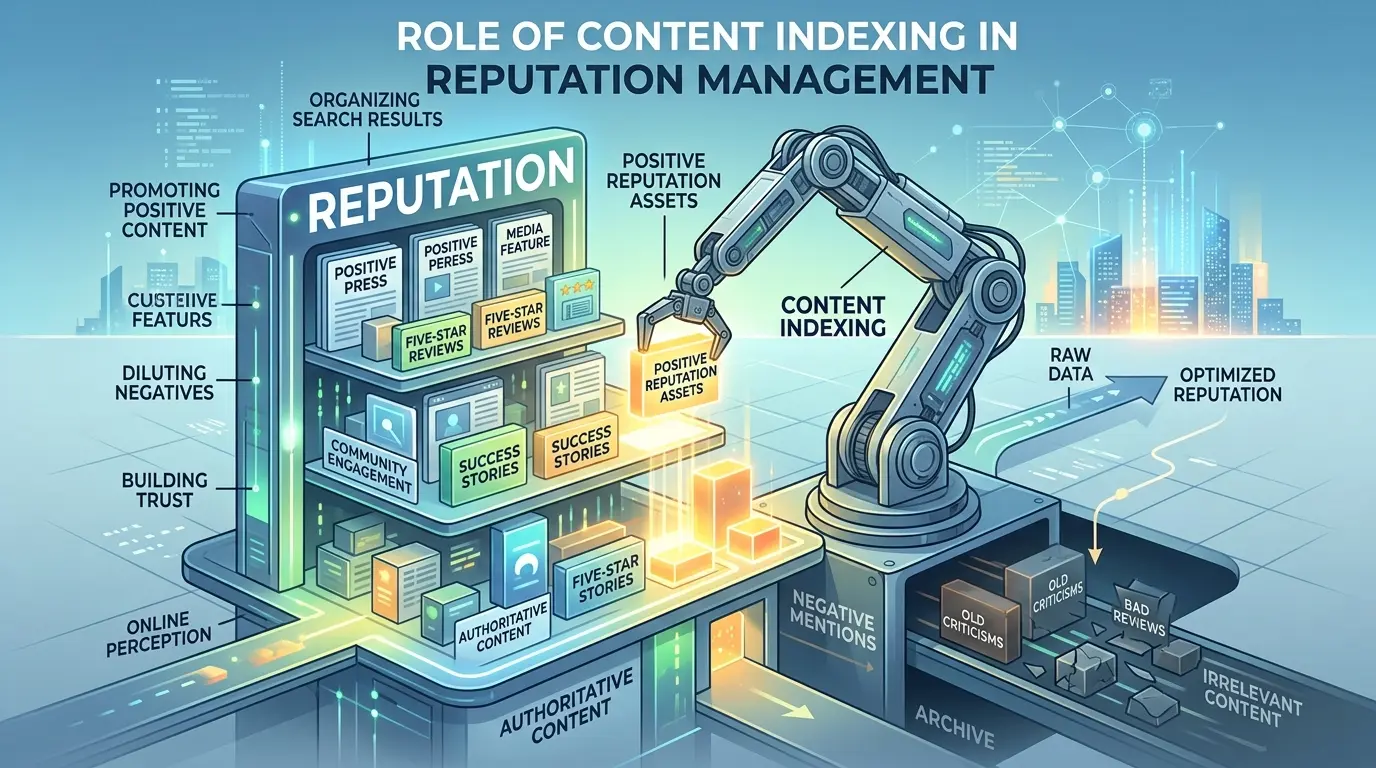
Content indexing shapes artist visibility by determining which musical information becomes discoverable within search ecosystems. Indexed information forms the foundation upon which search rankings and reputation signals develop.
Every published track, album description, artist biography, playlist appearance, and associated metadata becomes eligible for indexing. Search engines process these elements to identify topical relevance, authority, and semantic relationships. This indexing process influences whether musicians appear prominently when audiences search for artists, genres, songs, or related topics.
Content indexing also affects information freshness. Newly indexed releases strengthen topical relevance by expanding the artist’s searchable digital footprint. Updated catalogues demonstrate continued activity, which contributes positively to search visibility and entity perception.
What Reputation Signals Do Streaming Platforms Generate?

Streaming platforms generate multiple reputation signals that collectively influence online credibility. These signals extend beyond music itself and contribute to broader digital evaluation.
Important reputation signals include:
- Organise verified artist profiles that establish clear entity identification across search ecosystems.
- Strengthen release consistency through regularly indexed albums, singles, and collaborative projects.
- Demonstrate audience engagement using sustained listening behaviour rather than isolated promotional activity.
- Support semantic relationships through accurate metadata connecting artists, genres, and recordings.
- Reinforce authority by maintaining structured catalogues recognised by search engines as reliable information sources.
Each signal contributes differently during SERP evaluation, but together they create a comprehensive representation of digital credibility. Search engines analyse these combined indicators when determining search visibility for musicians rather than relying upon individual metrics alone.
How Do Reviews and Audience Sentiment Influence Musician Reputation?
Reviews and audience sentiment influence musician reputation because they provide qualitative signals that complement structured streaming data. Search ecosystems evaluate both factual information and public interpretation when assessing online credibility and entity perception.
Reviews published on recognised music platforms, editorial publications, and verified user communities contribute additional context to an artist’s digital footprint. Positive and balanced sentiment reinforces trust signals, while consistent criticism or conflicting information can influence how search engines interpret public perception. These sentiment indicators do not function independently; instead, they operate alongside metadata, listening behaviour, and authoritative content to shape overall reputation.
Search engines also analyse the consistency of sentiment across multiple sources. When reviews, artist biographies, streaming profiles, and news coverage align, entity credibility becomes stronger because the digital narrative demonstrates coherence and reliability.
Why Does Authority Across Multiple Platforms Strengthen Reputation?
Authority across multiple platforms strengthens reputation because search engines compare information from interconnected sources before evaluating entity credibility. A musician’s public image is formed through a network of authoritative references rather than a single streaming profile.
Streaming services contribute one layer of structured information, while official websites, verified social profiles, interviews, media coverage, and music databases provide complementary authority signals. Search algorithms analyse these relationships to verify identity, catalogue consistency, and professional activity.
A unified digital footprint reduces ambiguity during SERP evaluation. When artist names, biographies, release histories, and creative achievements remain consistent across platforms, search engines gain greater confidence in the entity being represented. This consistency improves search visibility and strengthens long-term online credibility.
How Does Digital Footprint Affect Long-Term Reputation?
A digital footprint affects long-term reputation because it represents the cumulative collection of indexed information associated with a musician over time. Every published release, artist profile, interview, playlist inclusion, and media reference contributes to this searchable record.
Digital footprints expand continuously as new information is indexed. Search engines evaluate both historical and recent content to determine relevance, authority, and topical expertise. A well-maintained digital footprint demonstrates sustained artistic activity, while fragmented or outdated information weakens entity perception by creating inconsistencies across search ecosystems.
Long-term reputation therefore depends on maintaining accurate, structured, and authoritative information rather than relying solely on individual releases or temporary audience attention. Search visibility improves when digital assets collectively reinforce a clear and consistent artist identity.
Why Is Consistency Essential for Search Visibility?
Consistency is essential for search visibility because search engines prioritise entities that present reliable information across multiple authoritative sources. Consistent content reduces uncertainty during indexing and supports stronger semantic understanding.
Artist names, biographies, images, release dates, genre classifications, and collaboration details all contribute to entity evaluation. Differences between platforms create conflicting reputation signals that reduce confidence during SERP analysis. Consistent information enables algorithms to connect related content more effectively, improving both discoverability and digital trust.
Musicians also benefit from understanding How to Shape Your Artist Narrative Across Streaming Platforms, as a structured narrative helps reinforce semantic consistency and strengthens reputation signals across interconnected search ecosystems.
Streaming platforms play a fundamental role in shaping a musician’s public image because they provide structured information that search engines use to evaluate entity credibility, search visibility, and online reputation. Metadata, listening behaviour, authoritative indexing, and semantic relationships collectively influence how artists are interpreted across digital ecosystems.
A musician’s reputation develops through consistent information, trusted authority signals, audience sentiment, and an organised digital footprint rather than isolated content. Understanding these mechanisms provides valuable insight into how search engines evaluate musicians and why streaming platforms remain central to long-term search perception and online credibility.
Why do streaming platforms influence a musician’s public image?
Streaming platforms influence a musician’s public image because they provide structured data, artist profiles, and engagement signals that search engines use to evaluate online credibility. These reputation signals contribute to search visibility and entity perception across digital ecosystems.
How do streaming platforms affect search visibility for musicians?
Search engines index artist information, release metadata, playlists, and verified profiles from streaming platforms to understand a musician’s digital footprint. Accurate and consistent information strengthens search visibility and improves reputation management for musicians.
Why is metadata important for a musician’s online reputation?
Metadata helps search engines identify relationships between artists, songs, albums, and genres, improving content indexing and entity understanding. Consistent metadata reduces ambiguity and supports stronger reputation signals across search results.
Can audience engagement on streaming platforms impact online credibility?
Yes, sustained audience engagement such as repeat listening, playlist inclusion, and catalogue activity provides behavioural signals that reinforce online credibility. These indicators help search engines evaluate the relevance and authority of a musician over time.
How does reputation management help musicians build a stronger digital presence?
Reputation management for musicians focuses on improving search visibility, maintaining accurate digital information, and strengthening entity credibility across online platforms. Clear My Name supports these objectives by helping organise reputation signals that contribute to a consistent public image.