

Doctors build a five-star online reputation by strengthening authoritative reputation signals, maintaining accurate digital information, encouraging authentic patient feedback, and improving entity credibility across search ecosystems.
Reputation management strategies differ based on how search engines evaluate trust, authority, and content relationships. Online reputation control methods are evaluated through search ranking influence, sentiment distribution, and the balance between content suppression vs content enhancement.
How does a five-star online reputation compare with general online visibility?
A five-star online reputation is a structured representation of credibility within search ecosystems, whereas general online visibility simply refers to how frequently a doctor appears in search results. Reputation management evaluates both visibility and quality because search engines interpret authority using multiple reputation signals rather than rankings alone. A profile with extensive visibility but inconsistent information generates weaker entity credibility than one supported by authoritative and consistent content. Search ranking influence depends upon contextual relationships between professional profiles, patient reviews, medical publications, and healthcare directories. Search systems compare these signals collectively to understand expertise and reliability. This distinction explains why reputation quality carries greater long-term value than visibility alone.
Online reputation operates by combining structured and unstructured information into an overall entity profile. Structured information includes verified healthcare directories, medical registrations, hospital biographies, and schema-based professional data. Unstructured information includes reviews, editorial mentions, interviews, publications, and educational content. Search engines evaluate relationships between these sources to establish confidence in entity perception. Strong semantic consistency improves trust signals because algorithms identify fewer conflicting data points. Reputation management therefore analyses information quality instead of focusing exclusively on ranking positions.
Which reputation signals have the strongest influence on search perception?
Authoritative reputation signals contribute more sustainable search ranking influence than isolated user-generated content because search engines prioritise reliable evidence when evaluating healthcare professionals. Reputation signals include verified professional credentials, institutional affiliations, medical publications, patient reviews, consistent directory information, and authoritative citations. Each signal contributes differently to entity credibility depending on its authority and contextual relevance.
How do professional credentials compare with patient reviews?
Professional credentials establish factual authority through verified information published by recognised healthcare organisations. Search engines interpret these signals as objective evidence supporting entity identity and professional expertise. Patient reviews contribute experiential information reflecting public sentiment distribution rather than formal qualifications. Both signal categories influence reputation evaluation, although they operate through different mechanisms within search ecosystems. Credentials strengthen authority, while reviews reinforce public trust. Reputation management evaluates the balance between these complementary information sources.
How do authoritative publications compare with directory profiles?
Authoritative publications strengthen topical relevance by associating doctors with recognised medical expertise. Research articles, educational resources, and institutional content provide contextual evidence supporting semantic authority. Directory profiles contribute structured identity information that improves entity recognition and consistency across search ecosystems. Publications demonstrate subject authority, whereas directories verify identity. Together they strengthen search ranking influence through complementary reputation signals.
Which reputation management approaches deliver the most sustainable outcomes?
Organic reputation management approaches generally produce greater long-term sustainability than reactive approaches because they strengthen authoritative information rather than responding only after visibility problems emerge. Organic strategies focus on continuous improvement of reputation signals. Reactive strategies concentrate on resolving existing reputation challenges affecting search perception. Reputation management compares these methods according to sustainability, scalability, and search ecosystem behaviour.
Organic approaches operate by expanding authoritative information that search engines recognise as credible. Educational content, verified profiles, medical publications, and institutional references continuously strengthen entity credibility. Search algorithms repeatedly evaluate this information, reinforcing stable search visibility through cumulative authority. The gradual development of trusted information creates stronger semantic relationships between expertise and professional identity.

Reactive approaches operate by addressing emerging issues affecting reputation signals. These include responding to inaccurate information, monitoring unexpected visibility changes, evaluating review trends, and identifying inconsistencies across digital assets. Reactive reputation management improves awareness of evolving search perception but depends upon existing visibility challenges. Its effectiveness therefore differs from proactive authority-building strategies.
Comparative evaluation demonstrates that sustainable reputation management combines continuous authority development with ongoing monitoring. Organic information strengthens entity credibility, while reactive analysis maintains awareness of changing search environments. Together they create balanced reputation management capable of adapting to evolving search ecosystems.
How does content enhancement compare with content suppression?
Content enhancement strengthens entity credibility through authoritative information creation, whereas content suppression influences the relative visibility of existing search results by increasing the prominence of stronger, more relevant content. Both approaches influence SERP composition differently and are evaluated according to their mechanisms rather than identical outcomes.
Content enhancement is the development of authoritative digital assets supporting professional expertise. It operates by publishing educational medical resources, improving professional biographies, expanding institutional profiles, and strengthening topic relevance. Search engines interpret these improvements as positive reputation signals because additional authoritative content expands semantic understanding. Entity credibility increases through broader evidence demonstrating expertise.
Content suppression vs content enhancement represents two separate reputation management strategies rather than competing processes. Suppression focuses on changing the balance of visible search results by increasing stronger content signals. Enhancement concentrates on improving overall information quality across the digital footprint. Search ranking influence develops differently under each method because algorithms evaluate content quality, authority, contextual relevance, and semantic consistency rather than visibility alone.
From a sustainability perspective, content enhancement generally produces broader long-term authority because it continuously expands trustworthy information. Content suppression evaluates existing SERP composition and influences the prominence of competing information. Reputation management analyses both approaches according to search ecosystem behaviour instead of treating either method as universally applicable.
Dive Deeper With Our Expert Guides:
How Healthcare Reputation Management Builds Patient Trust and Increases Appointments
Best Ways to Respond to Negative Patient Reviews
How do review management strategies compare with broader reputation management?
Review management represents one component of reputation management rather than a complete reputation strategy. Reviews influence sentiment distribution, while broader reputation management analyses every information source contributing to search visibility. Search engines interpret reviews alongside authoritative content, structured data, entity relationships, and professional credibility signals.
Patient reviews directly influence public perception because they provide visible feedback regarding healthcare experiences. Search algorithms evaluate review consistency, freshness, authenticity, and contextual relevance when incorporating review information into reputation analysis. Reviews contribute valuable trust signals, although they represent only one category of digital evidence.
Broader reputation management evaluates relationships between reviews, professional profiles, educational content, medical publications, institutional references, and search indexing behaviour. Entity credibility develops through the interaction of all these components rather than review scores alone. This broader evaluation provides greater understanding of how search systems interpret professional authority across the entire search ecosystem.
How should doctors evaluate short-term and long-term reputation strategies?
Short-term reputation strategies improve immediate visibility by addressing current reputation signals, while long-term strategies strengthen entity credibility through sustained authority development. Reputation management compares these approaches by measuring their impact on search ranking influence, sentiment distribution, and search visibility over time. Short-term improvements often focus on correcting inaccurate information, updating professional profiles, and responding to recent patient feedback. These actions improve digital consistency and reduce immediate reputation risks within search ecosystems.
Long-term reputation strategies operate by continuously expanding authoritative information connected to medical expertise. Educational articles, verified healthcare profiles, research publications, professional speaking engagements, and institutional recognition strengthen semantic relationships between doctors and their areas of practice. Search engines repeatedly evaluate this growing body of authoritative information, increasing confidence in entity credibility. This cumulative process delivers greater sustainability because reputation signals become more comprehensive and interconnected.
Comparative evaluation shows that short-term strategies improve responsiveness, whereas long-term strategies strengthen resilience. Effective reputation management analyses both approaches because sustainable search visibility depends upon consistent authority development alongside continuous monitoring of evolving reputation signals.
Which reputation management framework provides the strongest scalability?
A structured reputation management framework provides greater scalability because it standardises how reputation signals are monitored, evaluated, and improved across multiple digital platforms. Search ecosystems continually expand as new content, reviews, directory listings, and authoritative references become available. A scalable framework enables consistent evaluation without relying upon isolated corrective actions.
A structured framework generally includes:
- Monitor indexed content across search engines to identify changes in search visibility and reputation signals.
- Evaluate entity credibility by comparing authoritative sources, healthcare directories, publications, and patient sentiment.
- Improve professional information through accurate biographies, verified profiles, and educational content that strengthens semantic relevance.
- Measure search ranking influence by assessing changes in visibility, authority, and consistency across digital assets.
- Review reputation signals continuously as search engines update indexed information and reassess entity relationships.
Each stage supports systematic reputation analysis rather than reactive decision-making. Scalability improves because the same evaluation principles apply regardless of the number of platforms, publications, or professional profiles involved.
How do search engines measure trust and credibility for healthcare professionals?
Search engines measure trust and credibility by analysing multiple reputation signals rather than relying upon a single indicator. Professional authority develops through relationships between verified healthcare information, medical expertise, patient sentiment, institutional recognition, and content quality. Entity credibility increases when these signals remain consistent across trusted sources.

Algorithms compare professional registrations, hospital affiliations, research publications, educational resources, review patterns, structured data, and directory information. These elements collectively establish confidence that the entity represented within search results corresponds to recognised medical expertise. Consistency between authoritative sources reduces ambiguity and strengthens semantic understanding.
Search ranking influence also depends upon contextual relevance. Content that consistently demonstrates medical knowledge, professional qualifications, and authoritative references contributes stronger trust signals than isolated promotional material. Reputation management therefore evaluates how these interconnected signals influence search perception rather than considering any individual ranking factor independently.
What strategic considerations influence reputation management decisions?
Strategic reputation management decisions are evaluated according to sustainability, scalability, search visibility, entity credibility, and overall risk exposure. Different approaches produce different outcomes because search ecosystems continuously reassess indexed information and reputation signals. Comparing strategies enables a more accurate understanding of their long-term effectiveness.
The primary strategic considerations include:
- Evaluate authority by measuring the quality of professional information rather than focusing solely on rankings.
- Compare reputation signals across reviews, publications, healthcare directories, and institutional references.
- Strengthen semantic consistency through accurate, authoritative, and regularly updated professional information.
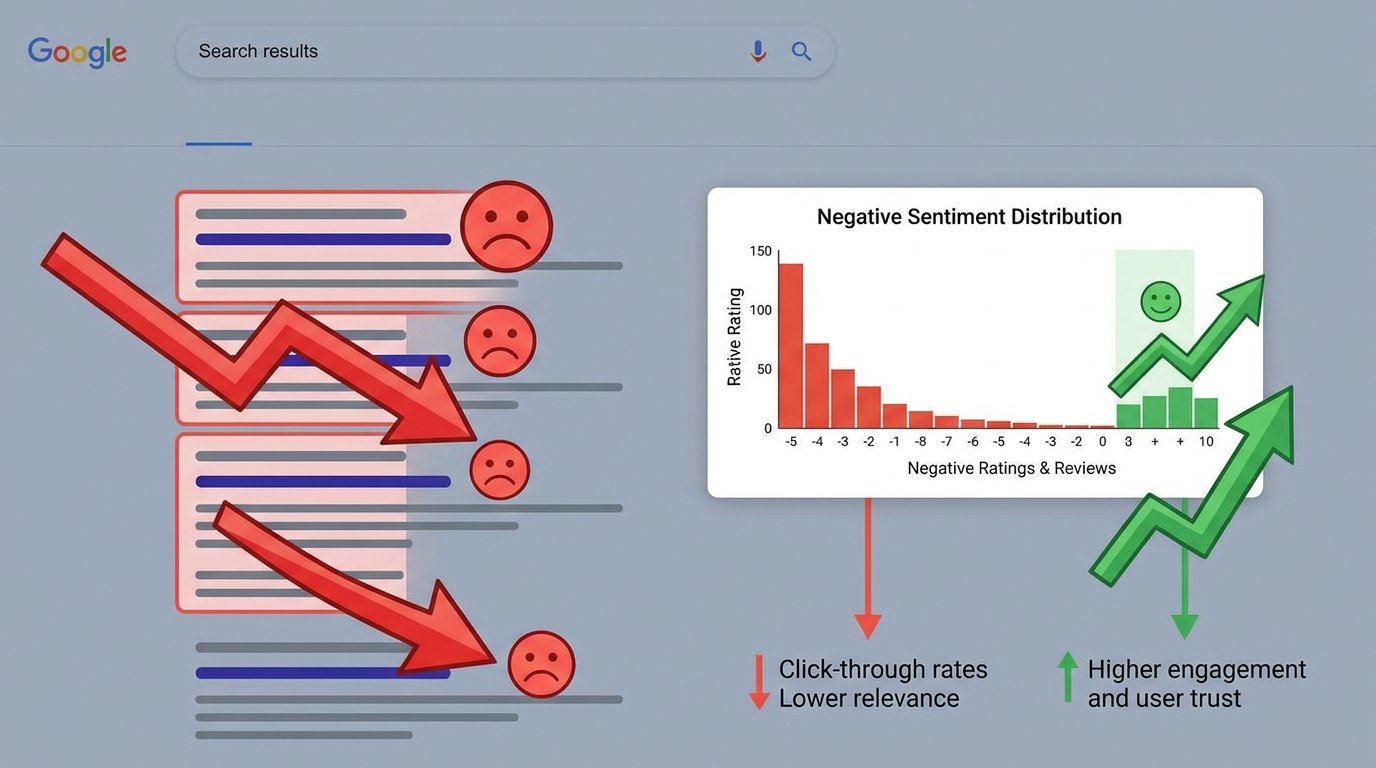
- Measure sentiment distribution alongside objective authority indicators to understand public perception comprehensively.
- Maintain continuous monitoring because search visibility evolves as algorithms reassess indexed content.
These considerations demonstrate that reputation management is an ongoing analytical process rather than a one-time activity. Long-term effectiveness depends upon maintaining consistency across all authoritative digital assets.
Doctors build a five-star online reputation through the combined influence of authoritative reputation signals, semantic consistency, verified professional information, and sustained entity credibility. Search engines evaluate these interconnected factors to determine search ranking influence, public trust, and overall search visibility. Comparing reputation management approaches demonstrates that different strategies operate through distinct mechanisms within search ecosystems rather than delivering identical outcomes.
Organic authority development strengthens long-term credibility by expanding trusted information across healthcare directories, publications, institutional websites, and educational resources. Reactive reputation management improves awareness of changing reputation signals and supports timely responses to emerging visibility challenges. Content enhancement, content suppression, review management, and authority development each contribute differently to SERP composition and search perception.
Understanding these strategic differences enables healthcare professionals to evaluate reputation management methods according to sustainability, scalability, risk exposure, and entity credibility. Continuous analysis of search visibility, semantic relationships, and authoritative information provides a comprehensive framework for understanding how professional reputation develops within modern search ecosystems.
For readers evaluating broader reputation strategies for healthcare organisations, understanding how specialist frameworks operate provides useful context alongside The best Reputation Management Agency for Healthcare Providers.
How can doctors build a five-star online reputation?
Doctors build a five-star online reputation by maintaining accurate professional profiles, encouraging genuine patient reviews, publishing authoritative medical content, and monitoring reputation signals. These factors improve search visibility, strengthen entity credibility, and support long-term digital trust.
Why is online reputation important for doctors?
Online reputation influences how patients evaluate a doctor’s expertise before booking an appointment. Search engines analyse reviews, professional credentials, directory listings, and authoritative content to assess reputation signals and overall search visibility.
What reputation signals do search engines use to evaluate doctors?
Search engines evaluate professional registrations, healthcare directory listings, patient reviews, hospital affiliations, medical publications, and consistent business information. Together, these reputation signals strengthen entity credibility and influence search ranking visibility.
How do patient reviews affect a doctor’s online reputation?
Patient reviews contribute to sentiment distribution and public perception, making them an important component of reputation management for doctors. Consistent, authentic reviews help search engines understand trustworthiness when combined with authoritative professional information. Clear My Name discusses these factors within broader reputation management resources.
What is the difference between reputation monitoring and reputation management for doctors?
Reputation monitoring identifies changes in reviews, search results, and online mentions, while reputation management evaluates and improves the reputation signals influencing search visibility. Together, they help doctors maintain accurate digital information and strengthen long-term online credibility.