

Reputation repair for lawyers typically takes between several months and over a year because search engines evaluate reputation through continuous content indexing, authority assessment, review signals, and entity perception rather than immediate changes. The duration depends on how quickly positive reputation signals become stronger than existing negative search results.
Reputation management is the systematic process of influencing how search engines and users interpret information associated with a legal professional or law practice. It focuses on improving search visibility, strengthening trust signals, and creating an accurate digital footprint that reflects professional credibility. Online reputation refers to the collective perception formed through search engine results pages (SERPs), reviews, legal directories, news publications, social profiles, and other indexed content. Search engines continuously analyse these sources to evaluate authority, expertise, and relevance. Reputation repair therefore represents a gradual process of updating search ecosystems rather than a single corrective action.
Why does reputation repair for lawyers take time?
Reputation repair takes time because search engines reassess information through recurring crawling, indexing, ranking updates, and entity evaluation rather than instant replacement of existing content. Every reputation signal contributes to a broader understanding of a legal professional within the search ecosystem.
Search engines organise information according to relevance, authority, freshness, and user satisfaction. Existing content that has accumulated authority often remains visible until stronger competing signals emerge through newly indexed material. Reputation repair therefore depends on replacing outdated or negative associations with more authoritative and contextually relevant information. This gradual evaluation process defines how search visibility evolves over time. Continuous indexing ensures that search engines reassess both historical and newly published content before adjusting rankings.
How does search indexing influence recovery time?
Search indexing refers to the process through which search engines discover, process, and store web content for future retrieval. Reputation repair cannot progress until updated information becomes part of this searchable index.
Indexing frequency varies according to website authority, publication consistency, technical performance, and content relevance. Highly authoritative websites receive more frequent crawling, allowing updated information to appear in search results sooner. Lower-authority websites often experience longer indexing intervals, extending the overall recovery timeline. Search visibility therefore depends on both content quality and crawl efficiency. Consistent publication creates stronger indexing patterns that contribute to sustained reputation development.
How do search engines evaluate a lawyer’s reputation?
Search engines evaluate a lawyer’s reputation by combining authority signals, content quality, user engagement, review sentiment, and entity relationships across multiple indexed sources. This evaluation creates an overall representation of professional credibility within search ecosystems.
Entity perception refers to the way search engines understand a person, organisation, or professional identity through interconnected information. Legal professionals become recognised entities when consistent references appear across authoritative websites, legal directories, publications, and verified profiles. Search algorithms compare these references to determine factual consistency and topical authority. Contradictory or incomplete information weakens entity confidence, while accurate and consistent information strengthens search visibility. Reputation repair therefore focuses on improving entity clarity rather than altering individual search results alone.
What are reputation signals in search ecosystems?
Reputation signals are measurable indicators that help search engines evaluate credibility, authority, and trustworthiness. These signals originate from multiple independent sources that collectively influence ranking decisions.
Important reputation signals include:
- Strengthen authoritative content by publishing accurate legal information that demonstrates recognised subject expertise and topical relevance.
- Improve review sentiment through consistent accumulation of authentic client feedback that reflects professional performance across trusted review platforms.
- Maintain entity consistency by ensuring identical professional information appears across legal directories, biographies, and official profiles.
- Expand topical authority through comprehensive coverage of legal subjects that reinforces expertise within recognised practice areas.
- Increase citation quality by earning references from respected legal publications, professional associations, and authoritative industry resources.
Each signal contributes to a broader evaluation model rather than functioning independently. Search engines compare multiple indicators before adjusting search visibility or changing entity perception.
How does content influence reputation recovery?
Content influences reputation recovery because search engines interpret published information as evidence supporting expertise, authority, and relevance. Every indexed page contributes additional context to the overall evaluation of a legal professional.
High-quality informational content gradually reshapes search perception by introducing accurate and comprehensive information into search ecosystems. As authoritative pages accumulate, search engines receive stronger evidence supporting positive entity associations. Older content gradually loses comparative prominence when newer resources demonstrate greater relevance and topical depth. Reputation repair therefore depends on sustained information development instead of isolated publication efforts. Content consistency reinforces semantic relationships that strengthen long-term search visibility.
Why does topical authority improve search perception?
Topical authority refers to the recognised depth of expertise demonstrated across an entire subject area rather than within a single page. Search engines evaluate thematic consistency to determine whether an entity represents a reliable source of information.
Lawyers who publish interconnected content explaining legal concepts, procedures, regulations, and practice areas establish stronger semantic relationships within search indexes. These relationships increase confidence in the entity’s expertise because information covers an entire knowledge domain instead of isolated keywords. Strong topical authority therefore enhances both reputation signals and overall SERP evaluation. Semantic completeness improves the search engine’s understanding of professional expertise across related legal topics.
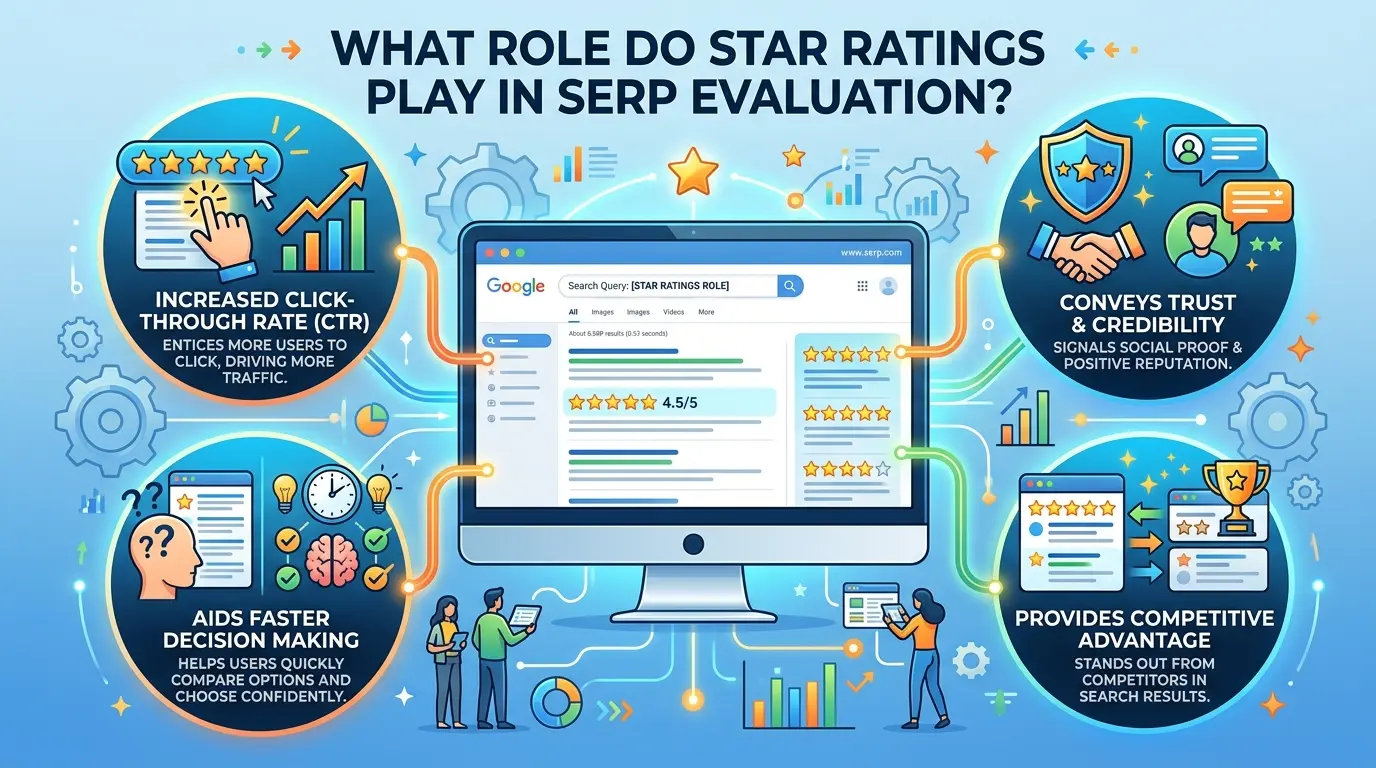
What role do reviews play in reputation repair?

Reviews influence reputation repair because they provide structured user-generated reputation signals that search engines interpret alongside website content and external references. Review sentiment contributes to perceived credibility but functions within a broader evaluation framework.
Search engines analyse review quantity, recency, consistency, authenticity, and overall sentiment to understand public perception. Positive reviews reinforce trust signals when they appear consistently across recognised review platforms. Negative reviews remain part of the indexed information environment, yet balanced and credible positive feedback gradually strengthens overall entity perception. Reputation repair therefore depends on continuous review development rather than isolated responses to individual reviews. Search algorithms evaluate review ecosystems collectively instead of focusing on single ratings.
How does review sentiment affect search visibility?
Review sentiment refers to the overall positive, neutral, or negative interpretation derived from user feedback across multiple platforms. Sentiment analysis helps search engines estimate public confidence in a professional entity.
Positive sentiment supports stronger trust signals because consistent favourable feedback aligns with broader authority indicators. Mixed sentiment creates a more balanced evaluation, while persistent negative sentiment weakens perceived credibility when supported by other reputation signals. Search visibility therefore reflects cumulative sentiment patterns instead of individual opinions. Sentiment contributes to entity perception alongside authority, content quality, and contextual relevance.
How does a digital footprint affect reputation recovery?
A digital footprint affects reputation recovery because it represents the complete collection of indexed information associated with a legal professional across search ecosystems. Search engines evaluate this information collectively when determining entity perception and search visibility.
A digital footprint includes websites, legal directories, review platforms, news publications, social media profiles, case references, and other publicly accessible content. Each indexed source contributes additional context that helps search algorithms understand professional identity and credibility. Consistent, accurate information strengthens entity confidence by reinforcing the same factual relationships across multiple authoritative sources. Inconsistent or outdated information creates conflicting reputation signals that reduce clarity during SERP evaluation. Reputation recovery therefore depends on improving the overall quality, accuracy, and consistency of the digital footprint rather than focusing on a single platform.
Why is consistency important across online sources?
Consistency refers to the accurate alignment of professional information across all indexed digital assets. Search engines compare these sources to validate identity, authority, and factual accuracy.
When names, qualifications, areas of practice, contact details, biographies, and professional achievements remain consistent, search algorithms establish stronger confidence in entity relationships. Contradictory information weakens entity perception because the search ecosystem receives mixed signals regarding credibility. Consistent data therefore improves content indexing, strengthens reputation signals, and supports stable search visibility over time.
Dive Deeper With Our Expert Guides:
How Reputation Management Pricing Works for Law Firms
Why Attorney Profiles Matter for Client Acquisition
What factors determine how quickly reputation improves?
Reputation recovery speed depends on the strength, quality, and consistency of positive reputation signals relative to existing indexed content. Search engines reassess these signals continuously as new information becomes available.
Multiple ranking factors influence recovery timelines because search algorithms evaluate entire information ecosystems rather than isolated pages. The authority of publishing domains, freshness of indexed content, semantic relevance, review sentiment, backlink quality, and entity consistency all contribute to overall reputation assessment. Improvements occur gradually as stronger evidence accumulates across trusted sources. Recovery therefore reflects the collective impact of sustained optimisation instead of a single ranking adjustment.
Which factors have the greatest influence on recovery timelines?
The most influential factors directly affect how search engines interpret trust, authority, and relevance throughout the indexing process.
- Publish authoritative content that expands topical coverage and reinforces recognised legal expertise through comprehensive information.
- Maintain consistent entity information across official websites, legal directories, review platforms, and professional profiles to improve entity confidence.
- Strengthen review quality by increasing authentic, recent, and balanced client feedback across trusted review ecosystems.
- Earn authoritative citations from respected legal organisations, professional associations, and reputable publications that reinforce credibility.
- Improve technical accessibility by ensuring search engines efficiently crawl, index, and evaluate newly published content.
Each factor contributes measurable reputation signals that collectively influence search visibility and long-term entity perception.
How do search engine algorithms interpret trust and credibility?
Search engine algorithms interpret trust and credibility by analysing the relationships between content quality, authority signals, user experience, and factual consistency. These evaluations determine how confidently search systems present information within search results.
Trust signals originate from authoritative publications, verified professional profiles, structured information, positive review ecosystems, and reliable external references. Algorithms compare these signals against competing entities to determine relative credibility within a legal topic. Strong trust signals improve semantic understanding because they reinforce recognised expertise and consistent factual relationships. Search visibility therefore reflects an ongoing evaluation of evidence rather than a permanent ranking position. Algorithmic reassessment continually updates entity perception as new content enters the search ecosystem.
How does authority influence SERP evaluation?
Authority refers to the recognised credibility of both the content source and the professional entity represented within search ecosystems. Search engines use authority to determine which information deserves greater prominence.
Authoritative content demonstrates topical depth, factual accuracy, semantic relevance, and reliable sourcing. When multiple trusted websites consistently reference the same professional information, search algorithms strengthen confidence in the associated entity. Higher authority increases the likelihood that positive, relevant content appears more prominently during SERP evaluation. Authority therefore supports sustained reputation recovery by reinforcing reliable reputation signals across interconnected digital sources.
Why does reputation repair produce gradual changes in search results?
Reputation repair produces gradual changes because search rankings evolve through continuous algorithmic reassessment rather than immediate replacement of indexed information. Search ecosystems prioritise stability by evaluating long-term evidence before adjusting visibility.
Every newly indexed page, review, citation, or authoritative reference contributes incremental reputation signals. Search engines compare historical information with current evidence to determine whether entity perception has changed sufficiently to justify ranking adjustments. This continuous comparison creates progressive improvements instead of sudden visibility shifts. Reputation recovery therefore reflects an accumulation of validated trust signals across the wider digital environment. Stable improvements emerge when authoritative information consistently outweighs outdated or less relevant content.
Reputation repair for lawyers represents an ongoing process of improving how search engines interpret authority, credibility, and relevance across interconnected digital sources. Recovery timelines depend on the continuous accumulation of stronger reputation signals through accurate content, consistent entity information, positive review sentiment, authoritative citations, and comprehensive digital footprints. Search engines evaluate these factors collectively through content indexing, semantic analysis, and SERP assessment rather than isolated ranking changes. As authoritative information becomes more prominent within search ecosystems, entity perception gradually strengthens, leading to improved search visibility and a more accurate representation of professional credibility.
How long does reputation repair take for lawyers?
Reputation repair for lawyers typically takes several months to over a year, depending on the existing search results, review sentiment, and the strength of positive reputation signals. Search engines require time to crawl, index, and evaluate new authoritative content before rankings and online perception improve.
What factors affect reputation recovery for legal professionals?
Reputation recovery depends on factors such as content quality, search engine indexing, review sentiment, digital footprint consistency, and authoritative backlinks. Strong, consistent reputation signals help search engines reassess credibility and improve search visibility over time.
Can negative search results about a lawyer disappear quickly?
Negative search results rarely disappear quickly because search engines rank content based on authority, relevance, and user value. Reputation repair focuses on strengthening positive, authoritative content so it becomes more prominent in search results as algorithms update.
Why is online reputation important for lawyers?
Online reputation influences how potential clients and search engines evaluate a lawyer’s credibility and professional authority. A strong digital reputation supports better search visibility, stronger trust signals, and a more accurate representation across search engine results pages (SERPs).
How does a digital footprint influence a lawyer’s online reputation?
A lawyer’s digital footprint includes websites, legal directories, reviews, news mentions, and other indexed online content that search engines analyse. Consistent and accurate information across these sources strengthens entity perception and supports long-term reputation management for lawyers, including strategies used by Clear My Name.