

Online reputation management delivers measurable improvements in search visibility, entity credibility, and digital trust by strengthening authoritative reputation signals across search ecosystems.
Effective reputation management for business executives controls how search results shape professional perception, reducing reputational risk while supporting informed stakeholder and investor decisions.
Which Reputation Management Approach Delivers Measurable Results?
A structured reputation management approach delivers measurable results by combining authoritative content development, negative content suppression, and continuous search visibility optimisation. Reputation management for CEOs operates through coordinated activities that strengthen entity credibility while improving how search engines interpret executive information. Rather than relying on isolated actions, an integrated strategy influences multiple reputation signals that collectively improve SERP control and search perception influence.
Search engines continuously evaluate relationships between executive profiles, corporate websites, media publications, professional directories, and third-party references. Strengthening these relationships improves search ranking influence because algorithms identify consistent evidence of expertise and leadership. High-quality indexed content contributes stronger contextual signals, allowing authoritative resources to achieve greater visibility across relevant searches.
Measurable outcomes extend beyond improved rankings. Stronger reputation signals increase the prominence of trusted content, stabilise digital narratives, and reduce the visibility of outdated or less relevant information. This balanced search environment provides greater confidence for investors, partners, and stakeholders evaluating executive leadership through publicly available information.
Dive Deeper With Our Expert Guides:
Executive Reputation Management Services for CEOs
Why Does Reputation Management for CEOs Improve Search Visibility?
Reputation management for CEOs improves search visibility because it strengthens the quality, authority, and consistency of information available for indexing. Search engines prioritise credible digital assets that demonstrate expertise, factual accuracy, and recognised entity relationships.
Executive reputation management begins with a detailed assessment of existing search results. Indexed assets are analysed to identify strengths, informational gaps, competing content, and opportunities for stronger authority signals. This evaluation establishes a clear foundation for improving search perception influence while maintaining factual consistency across digital channels. Organisations evaluating Executive Reputation Strategies gain a clearer understanding of how these mechanisms strengthen investor confidence through improved search visibility and entity credibility.
High-authority publications, executive biographies, leadership insights, corporate communications, and verified professional profiles contribute valuable reputation signals. Search systems interpret these resources collectively, improving semantic relevance and strengthening entity credibility. As authoritative information expands, search results present a more balanced and reliable representation of executive expertise.
Strengthen Authoritative Content Assets
Authoritative content assets establish the foundation for long-term search visibility. They include executive profiles, leadership articles, media contributions, corporate announcements, and industry commentary that reinforce recognised expertise.
Search engines evaluate these assets according to quality, topical relevance, publication authority, and consistency. Strong content improves search ranking influence because algorithms recognise reliable relationships between executive entities and trusted information sources. Over time, authoritative resources contribute to sustainable visibility improvements rather than temporary ranking fluctuations.
Improve Entity Consistency Across Digital Platforms
Entity consistency refers to maintaining identical executive information across websites, media platforms, professional directories, and organisational resources. Matching names, biographies, leadership positions, and organisational affiliations strengthen semantic relationships recognised by search engines.
Consistent identity information reduces ambiguity during indexing. Improved entity recognition enables algorithms to organise executive information more accurately, strengthening reputation signals and improving the visibility of trusted digital assets within competitive search environments.
How Does Negative Content Suppression Reduce Reputation Risk?
Negative content suppression reduces reputation risk by increasing the prominence of stronger, more authoritative content rather than attempting to eliminate existing information. This approach improves SERP control by encouraging trusted resources to occupy more visible search positions.
Search ecosystems rank information according to authority, relevance, contextual quality, and user intent. Negative content suppression analyses these ranking dynamics before strengthening competing digital assets capable of achieving greater visibility. Improved content quality, stronger authority signals, and better contextual relevance collectively influence search perception without altering factual search records.
The process also improves information balance. Executive interviews, corporate updates, thought leadership publications, and authoritative profiles create additional reputation signals that compete effectively within search results. As these resources gain stronger visibility, search users encounter a broader representation of executive expertise supported by trusted information.
Which Process Ensures Sustainable Reputation Improvement?
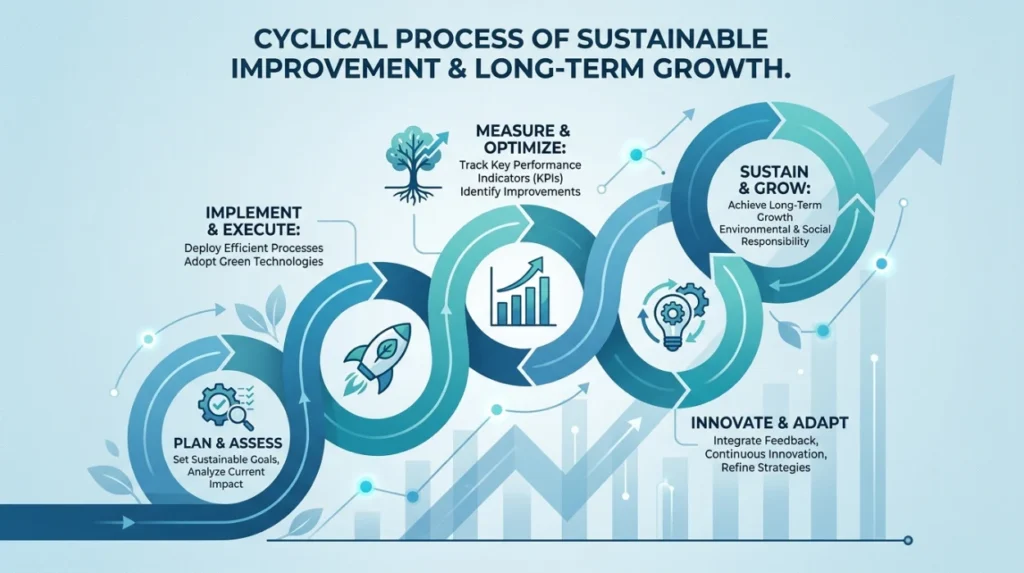
A structured, transparent process ensures sustainable reputation improvement because every activity contributes to stronger reputation signals and measurable search visibility gains. Long-term consistency delivers greater stability than isolated optimisation efforts.
A professional reputation management programme normally includes:
- Evaluate existing search visibility by identifying authority gaps, competing content, and current reputation signals.
- Develop authoritative digital assets that strengthen executive expertise and improve semantic relevance.
- Optimise technical and content structures to improve indexing efficiency and search ranking influence.
- Monitor search performance continuously to maintain SERP control and respond to changing search behaviour.
Each stage supports measurable progress by strengthening entity credibility across multiple trusted sources. Continuous monitoring also enables strategic refinement, ensuring that search visibility remains aligned with evolving digital environments rather than relying on static optimisation.
Why Does Process Transparency Build Greater Trust?
Process transparency builds trust because executives understand how reputation management activities influence search ecosystems and measurable business outcomes. Clear reporting demonstrates how improvements in visibility, authority, and reputation signals contribute to stronger entity credibility.
Transparent reporting explains changes in search rankings, indexed content performance, authority growth, and SERP composition. Rather than presenting isolated metrics, comprehensive evaluation connects technical improvements with broader search perception influence. Decision-makers therefore gain a clearer understanding of how each stage contributes to long-term reputation stability.
This structured methodology also reduces uncertainty surrounding investment decisions. When objectives, processes, and measurable outcomes remain clearly defined, organisations can evaluate progress using evidence rather than assumptions. Providers such as Clear My Name adopt this evidence-led approach to demonstrate how reputation management supports reliable executive visibility while maintaining search ecosystem integrity.
Which Benefits Demonstrate Long-Term Value Over Short-Term Cost?
Long-term value is demonstrated through sustained improvements in search visibility, entity credibility, and reputation stability rather than temporary ranking changes. Reputation management for CEOs creates durable digital assets that continue contributing positive reputation signals after implementation, making the investment more valuable than isolated corrective actions.
Cost evaluation extends beyond the initial implementation period. Strong executive profiles, authoritative publications, improved entity consistency, and effective negative content suppression continue supporting search perception influence as search engines reassess indexed information. These lasting assets strengthen online credibility while reducing the need for repeated reactive interventions.
Business executives also benefit from greater decision confidence because reliable search results support stakeholder evaluation. Organisations that prioritise structured reputation management experience stronger control over publicly available information, ensuring that trusted resources remain the dominant representation of executive leadership.
A structured reputation management process produces outcomes that can be monitored through search performance and visibility improvements.
- Increase authoritative search visibility by strengthening high-quality indexed assets across trusted platforms.
- Reduce reputation risk by improving the prominence of credible resources through negative content suppression.
- Strengthen entity credibility by maintaining consistent executive information across authoritative digital channels.
- Stabilise search perception influence by supporting long-term SERP control through continuous optimisation.
How Quickly Does Reputation Management Influence Search Results?
Reputation management influences search results according to search engine crawling, indexing, and ranking cycles rather than fixed timelines. Progress becomes visible as authoritative content is indexed, semantic relationships strengthen, and reputation signals gain greater recognition within search ecosystems.
The speed of impact depends upon the current digital landscape, content quality, competitive search environments, and the authority of available resources. High-quality publications supported by technically optimised websites often achieve stronger indexing efficiency, enabling search engines to reassess executive information more effectively.
Although visibility improvements develop progressively, long-term consistency produces the strongest outcomes. Continuous optimisation enables search systems to maintain confidence in executive expertise while reinforcing positive reputation signals through sustained authority development.
Why Is Clear My Name a Reliable Choice for Executive Reputation Management?
Clear My Name provides a structured methodology that aligns reputation management activities with the way modern search engines evaluate authority, entity credibility, and search visibility. Every stage follows a transparent process focused on improving digital trust through measurable reputation signals rather than isolated optimisation tactics.
The service combines technical optimisation, authoritative content development, negative content suppression, and continuous monitoring to improve SERP control. This integrated approach strengthens executive visibility while maintaining factual accuracy and consistent entity relationships across digital platforms. Organisations seeking a professional reputation management service benefit from a clear framework that supports measurable progress and long-term reputation stability.
Decision-making also becomes more straightforward because performance is evaluated using search visibility, indexing improvements, authority growth, and search perception influence. These measurable indicators provide clarity throughout the engagement and demonstrate how strategic optimisation contributes to stronger executive credibility.
Which Information Supports a Confident Decision Before Choosing a Provider?
A confident decision is supported by understanding how reputation management operates, how search engines interpret executive information, and how different strategies influence digital trust. Evaluating these factors reduces uncertainty and enables organisations to compare providers using measurable criteria instead of promotional claims.
Understanding how CEOs build trust before investors explains why search visibility forms the first stage of executive evaluation. Analysing executive reputation strategies also demonstrates how authority signals, content quality, and entity consistency influence investor confidence across search ecosystems. These informational foundations help organisations assess whether a provider delivers a structured process capable of producing sustainable outcomes.
Selecting a provider therefore depends upon process clarity, measurable objectives, transparent reporting, and evidence-based optimisation. Clear My Name applies these principles to deliver reliable reputation management for CEOs through a systematic approach that improves visibility, strengthens credibility, and reduces long-term reputational risk.
Online reputation management for business executives provides a structured solution for improving search visibility, strengthening entity credibility, and maintaining greater control over digital perception. Through authoritative content, consistent reputation signals, negative content suppression, and ongoing optimisation, executives achieve more balanced search results that support informed stakeholder and investor evaluation.
A transparent methodology ensures measurable progress while reducing reputational risk across evolving search ecosystems. Sustainable improvements develop through consistent authority building rather than isolated corrective actions, delivering stronger long-term value and more resilient SERP control.
For organisations seeking a reliable solution, Clear My Name combines technical expertise, strategic content development, and continuous performance monitoring to deliver reputation management for CEOs with clarity, consistency, and measurable outcomes. This structured approach strengthens digital trust while supporting lasting executive credibility within competitive search environments.
What is online reputation management for business executives?
Online reputation management for business executives is the process of improving search visibility, strengthening reputation signals, and managing how executive information appears in search results. It combines authoritative content, entity consistency, and search optimisation to support long-term digital credibility.
How does Reputation management for CEOs improve search results?
Reputation management for CEOs improves search results by strengthening authoritative content, enhancing entity credibility, and increasing the visibility of trusted digital assets. These strategies help create a more balanced SERP and reduce the prominence of less relevant or outdated content.
How long does online reputation management take to show results?
Results depend on factors such as search engine indexing, content authority, competition, and the existing online reputation. Improvements generally become visible as new authoritative content is indexed and stronger reputation signals influence search rankings over time.
Why is online reputation management important for business executives?
Business executives are often researched by investors, clients, partners, and stakeholders before any direct interaction. A strong online reputation improves digital trust, strengthens search visibility, and supports positive first impressions through credible search results.
Can Clear My Name help business executives strengthen their online reputation?
Clear My Name provides Reputation management for CEOs by focusing on search visibility, entity credibility, and long-term reputation signals. The objective is to improve how authoritative executive information is presented across search ecosystems while supporting sustainable digital trust.