

Reputation management strategies differ based on how they influence search visibility, authority signals, and the balance of information presented across search ecosystems. Online reputation control methods are evaluated through their effect on reputation signals, entity credibility, search ranking influence, and long-term SERP composition.
Immigration lawyers rely on digital credibility because prospective clients frequently evaluate online information before making contact. Search engines organise professional profiles, legal directories, review platforms, educational content, regulatory listings, and media references into search engine results pages (SERPs) that shape professional perception. Different reputation management approaches influence these search ecosystems through distinct mechanisms, each offering specific strengths and limitations. Comparing these methods provides a clearer understanding of their effectiveness, sustainability, and influence on digital trust without promoting individual providers.
What reputation management approaches are available for immigration lawyers?
Reputation management approaches are defined by the methods used to influence search visibility, strengthen entity credibility, and improve the quality of information presented across search ecosystems. Each strategy operates through different mechanisms because search engines evaluate content according to authority, relevance, semantic consistency, and user intent.
Content enhancement is an approach that expands the volume of authoritative information associated with an immigration lawyer. It operates by developing educational resources, strengthening professional profiles, improving legal directory information, and publishing content that reinforces topical authority. Search engines interpret these resources as additional reputation signals that strengthen entity understanding.
Content suppression differs because it focuses on reducing the relative prominence of lower-value or less favourable information by increasing the visibility of stronger authoritative resources. Rather than removing indexed content, this approach changes SERP composition through search ranking influence. Algorithms continue evaluating all eligible pages while prioritising resources demonstrating greater authority and relevance.
Content removal represents a separate approach. It operates through legal rights, regulatory procedures, or platform policies that allow eligible content to be removed from publication or search indexing. Unlike suppression strategies, removal changes the availability of information rather than its competitive ranking within search results.
How does content enhancement compare with content suppression?
Content enhancement and content suppression influence search visibility through different operational models. Both contribute to reputation management, but their objectives and mechanisms differ significantly.
Content enhancement is the process of strengthening authoritative digital assets that improve entity credibility. Educational legal content, professional biographies, directory optimisation, expert commentary, and structured information contribute additional authority signals. Search engines interpret these assets as evidence supporting expertise and professional relevance.
Content suppression focuses on increasing the prominence of stronger information so that lower-ranking content becomes less visible within search engine results pages. The mechanism relies upon improving search ranking influence instead of eliminating indexed material. Search engines reassess competing resources according to authority, quality, and semantic relationships.
Content enhancement supports broader long-term authority because it continuously expands the digital footprint. Content suppression influences the balance of visible information by improving the competitive strength of authoritative resources. Together, these approaches demonstrate different methods of strengthening reputation signals across search ecosystems.
Why are proactive reputation strategies evaluated differently from reactive methods?
Proactive reputation strategies are evaluated according to their ability to establish authority before search visibility challenges develop. Reactive methods are measured by their effectiveness in responding to existing reputation issues already influencing SERP composition.
Proactive approaches strengthen professional information through continuous authority development. Professional websites, verified legal profiles, educational publications, regulatory listings, and legal commentary collectively reinforce entity credibility before negative or inaccurate information becomes prominent. Search engines interpret this consistency as reliable evidence supporting professional expertise.
Reactive approaches analyse current search visibility, identify influential reputation signals, and evaluate mechanisms capable of improving existing search conditions. Their effectiveness depends upon the authority of indexed content, search ranking dynamics, and the availability of suitable corrective actions.
Comparing these approaches demonstrates that proactive strategies strengthen the semantic foundation of an online reputation, while reactive strategies concentrate on reshaping existing search landscapes. Their value depends upon the maturity of the digital footprint and the nature of current reputation signals.
How do search engines evaluate reputation signals across different strategies?
Search engines evaluate reputation signals by analysing relationships between indexed content, authority sources, structured information, user engagement, and semantic consistency. Every reputation management strategy influences one or more of these evaluation mechanisms.
Authority remains one of the strongest reputation signals. Information originating from government websites, recognised legal organisations, universities, respected publishers, and professional directories contributes greater credibility during SERP evaluation. Search engines compare these trusted sources to strengthen confidence in professional identity.
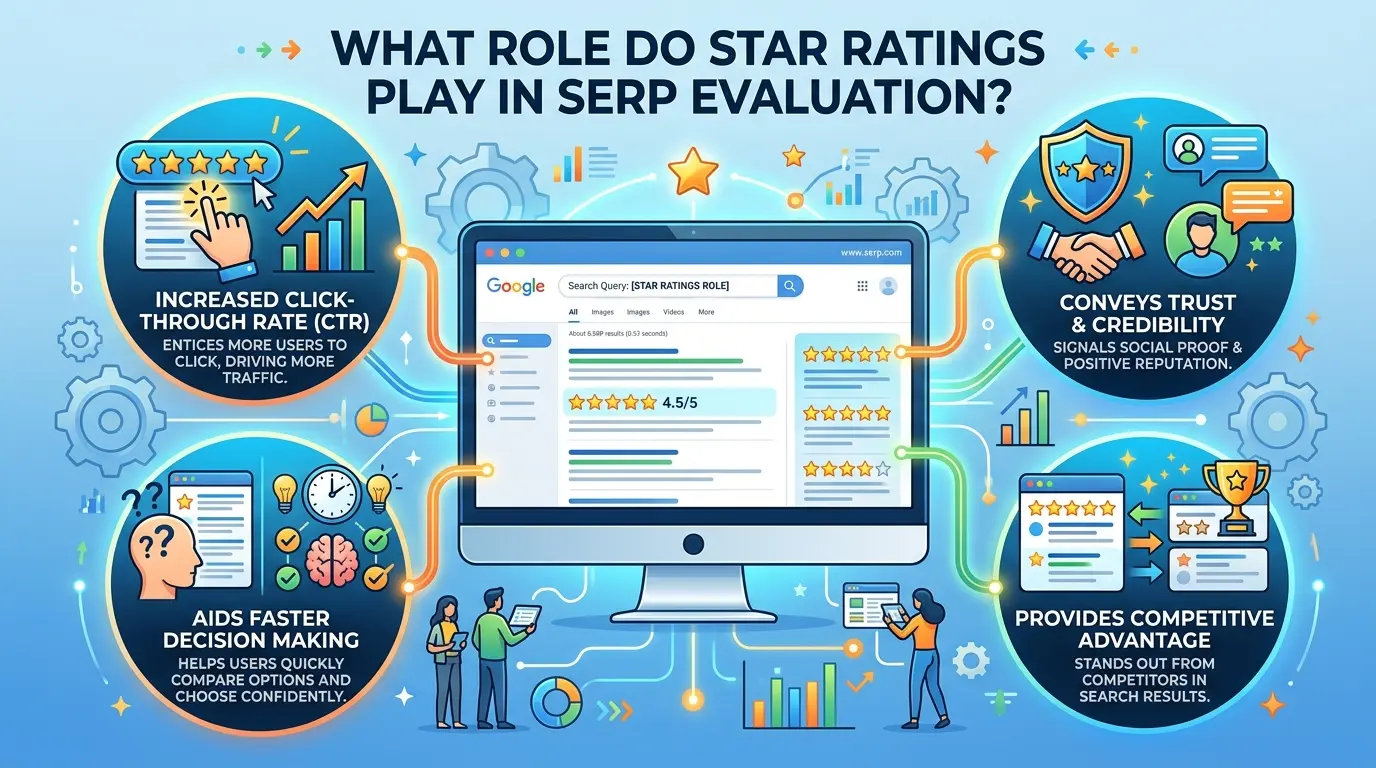
Semantic consistency also influences reputation assessment. Search systems analyse recurring references relating to names, qualifications, practice areas, organisations, and educational resources. Consistent factual information strengthens entity credibility, while conflicting information reduces algorithmic certainty.
Behavioural indicators complement these authority assessments by helping search engines understand which resources satisfy informational intent. User interaction therefore supports broader search ranking influence without replacing authority and content quality evaluation.
Which reputation management strategies provide the strongest long-term sustainability?

Long-term sustainability depends upon strategies that strengthen entity credibility continuously instead of relying exclusively on temporary search visibility adjustments. Sustainable reputation management aligns with the ongoing way search engines reassess indexed information.
Content enhancement demonstrates strong sustainability because every authoritative publication, verified directory profile, legal resource, or educational article contributes additional reputation signals. These cumulative resources strengthen semantic understanding while reinforcing professional credibility across search ecosystems.
Content suppression provides lasting value when combined with continuous authority development. Stronger search visibility remains dependent upon the comparative quality of competing resources, making ongoing optimisation essential for maintaining balanced SERP composition.
Content removal delivers permanence only when information qualifies for deletion under legal, regulatory, or platform-specific requirements. Where removal is unavailable, authority development and search ranking influence continue supporting long-term reputation growth through strengthened digital assets.
How does sentiment distribution influence online reputation?
Sentiment distribution refers to the balance of positive, neutral, and negative information associated with an entity across digital platforms. Reputation management evaluates this distribution because search perception develops from the overall composition of indexed content rather than isolated publications.
Search engines analyse sentiment together with authority, semantic relevance, and contextual meaning. Negative language alone does not determine rankings because algorithms evaluate the credibility and usefulness of the information containing that language. Consequently, authoritative neutral content frequently contributes stronger entity credibility than highly opinionated sources.
Balanced sentiment distribution improves search interpretation by ensuring that professional websites, legal directories, educational publications, regulatory listings, and review platforms collectively provide comprehensive contextual information. Within this broader evaluation framework, understanding Reputation Management for Immigration Lawyers Who Want More Clients expands the analysis by examining how these reputation strategies translate into practical implementation and measurable outcomes.
How do organic reputation strategies compare with reactive interventions?
Organic reputation strategies strengthen entity credibility through continuous authority development, while reactive interventions respond to existing search visibility issues. Both approaches influence reputation signals, but they operate through different mechanisms within search ecosystems.
Organic strategies expand authoritative digital assets over time. Educational legal resources, verified professional profiles, regulatory listings, legal commentary, and structured content strengthen semantic relationships between an immigration lawyer and recognised areas of expertise. Search engines interpret these recurring authority signals as evidence of professional relevance and reliability.
Reactive interventions begin by analysing the existing SERP composition. They evaluate indexed content, review sentiment, authority distribution, and search ranking influence before identifying suitable methods to improve search visibility. Their primary objective is to reduce current reputation risk while restoring balance across search results.
Comparing both approaches demonstrates that organic strategies provide stronger long-term sustainability because they continuously expand authoritative information. Reactive interventions remain valuable for addressing existing search visibility challenges, but their effectiveness depends upon the authority and persistence of competing indexed resources.
Which factors determine the effectiveness of reputation management strategies?
The effectiveness of reputation management strategies is measured through improvements in search visibility, entity credibility, authority signals, and SERP composition. Search engines evaluate these outcomes by analysing the relationships between authoritative content and user intent.
Content quality remains one of the strongest evaluation factors. Accurate, relevant, and authoritative legal information strengthens semantic understanding while supporting higher search ranking influence. Poor-quality or inconsistent information reduces entity credibility regardless of publication frequency.
Authority distribution also determines effectiveness. Professional resources supported by recognised legal organisations, government websites, educational institutions, respected publishers, and verified directories contribute stronger reputation signals than isolated or low-authority content.
Consistency across digital assets further strengthens strategy performance. Matching professional information across websites, legal directories, regulatory records, and structured data improves search engine confidence while reducing ambiguity during content indexing.
How does SERP composition influence professional growth?
SERP composition refers to the combination and ordering of indexed resources displayed in response to a search query. Professional growth is influenced because search visibility determines which information prospective clients encounter first.
Search engines assemble SERPs using authority, relevance, semantic relationships, content quality, freshness, and user intent. Immigration lawyers often appear across legal directories, professional websites, regulatory listings, review platforms, media references, and educational publications. The interaction between these resources shapes overall search perception.
Balanced SERP composition strengthens entity credibility by presenting diverse authoritative information rather than relying upon a limited number of sources. Educational articles, verified profiles, legal commentary, and recognised directory listings collectively improve contextual understanding while reinforcing professional trust.
As search ecosystems continuously evaluate newly indexed information, SERP composition evolves over time. Reputation management therefore analyses search visibility as an ongoing process rather than a fixed digital outcome.
Dive Deeper With Our Expert Guides:
Protecting Your Reputation as a Criminal Defence Lawyer
Reputation Challenges Facing Personal Injury Attorneys
What evaluation framework can be used to compare reputation management methods?
A structured evaluation framework enables objective comparison between different reputation management approaches by measuring how each method influences search ecosystems.
- Assess authority signals by analysing legal directories, regulatory listings, educational publications, and trusted citations that strengthen entity credibility.
- Measure search ranking influence by evaluating improvements in the visibility and diversity of authoritative resources across SERPs.
- Compare sentiment distribution by examining the balance of positive, neutral, and negative information throughout indexed digital assets.
- Evaluate sustainability by determining whether a strategy delivers lasting authority growth or temporary search visibility improvements.
- Review scalability by analysing whether the approach remains effective as additional reviews, publications, legal resources, and professional references become indexed.
Using consistent evaluation criteria supports evidence-based comparison without relying on subjective assumptions or promotional claims.
How do reputation management strategies strengthen long-term entity credibility?
Entity credibility is the level of confidence search engines assign to an individual based on consistent, authoritative, and interconnected digital information. Reputation management strategies strengthen this credibility by improving the quality and consistency of reputation signals available across search ecosystems.
Search engines compare professional websites, regulatory listings, legal directories, educational resources, review platforms, structured data, and authoritative publications to construct comprehensive entity profiles. Consistent information strengthens semantic relationships while improving algorithmic confidence in professional expertise.
Long-term credibility also depends upon maintaining a broad digital footprint. Educational legal resources, recognised publications, verified profiles, conference contributions, and expert commentary collectively reinforce authority across multiple trusted sources. Search engines interpret these recurring references as evidence of sustained expertise within immigration law.
As reputation signals continue evolving, entity credibility becomes the cumulative result of authoritative information, semantic consistency, and balanced SERP composition rather than isolated publications or temporary ranking changes.
Reputation strategies that help immigration lawyers grow depend upon understanding how search ecosystems evaluate authority, relevance, semantic consistency, and digital trust. Content enhancement, content suppression, content removal, proactive planning, and reactive interventions each influence search visibility through distinct mechanisms that shape reputation signals, entity credibility, and search ranking influence.
Comparing these approaches demonstrates that sustainable reputation growth is achieved through continuous authority development, balanced sentiment distribution, structured information, and comprehensive digital footprint optimisation. Search engines continuously reassess these interconnected factors when determining SERP composition and online credibility. Evaluating the strengths, limitations, scalability, and sustainability of each strategy provides a clearer understanding of how professional reputation develops and supports long-term growth within search ecosystems.
What are the best reputation strategies for immigration lawyers?
Effective reputation strategies for immigration lawyers include strengthening authoritative content, maintaining accurate legal directory profiles, managing review signals, and improving search visibility. These approaches help build entity credibility and create a balanced online presence across search results.
How does reputation management help immigration lawyers grow?
Reputation management improves search visibility by strengthening reputation signals, increasing authoritative content, and supporting consistent professional information across trusted platforms. This enhances online credibility and helps prospective clients evaluate legal expertise with greater confidence.
What is the difference between content enhancement and content suppression?
Content enhancement expands authoritative digital assets such as professional profiles and educational resources to improve search ranking influence. Content suppression focuses on increasing the visibility of stronger content so that less prominent information has a reduced impact within search engine results pages (SERPs).
Why is long-term reputation management important for immigration lawyers?
Long-term reputation management strengthens entity credibility through continuous authority development and consistent digital information. Search engines regularly reassess reputation signals, making ongoing optimisation more sustainable than short-term visibility improvements.
How does Reputation management for lawyers support immigration lawyers?
Reputation management for lawyers evaluates search visibility, reputation signals, entity credibility, and sentiment distribution to improve professional online perception. Providers such as Clear My Name analyse these factors to support a stronger and more balanced digital presence across search ecosystems.