

Negative Google reviews from former employees are best handled by assessing their content, checking platform policies, correcting verifiable inaccuracies and choosing a proportionate response. Reputation management strategies differ based on whether a review contains a genuine opinion, a disputed factual claim or content that violates Google’s policies.
Online reputation control methods are evaluated through their effect on search visibility, trust signals, entity credibility and public perception. A business needs to distinguish between removing policy-violating content and improving the information available to people researching the organisation. These approaches address different problems and produce different outcomes. A removal request targets a specific review, whereas a public response provides context without necessarily changing the review’s visibility. Content enhancement strengthens the wider digital footprint but does not guarantee that a negative review will rank lower or disappear.
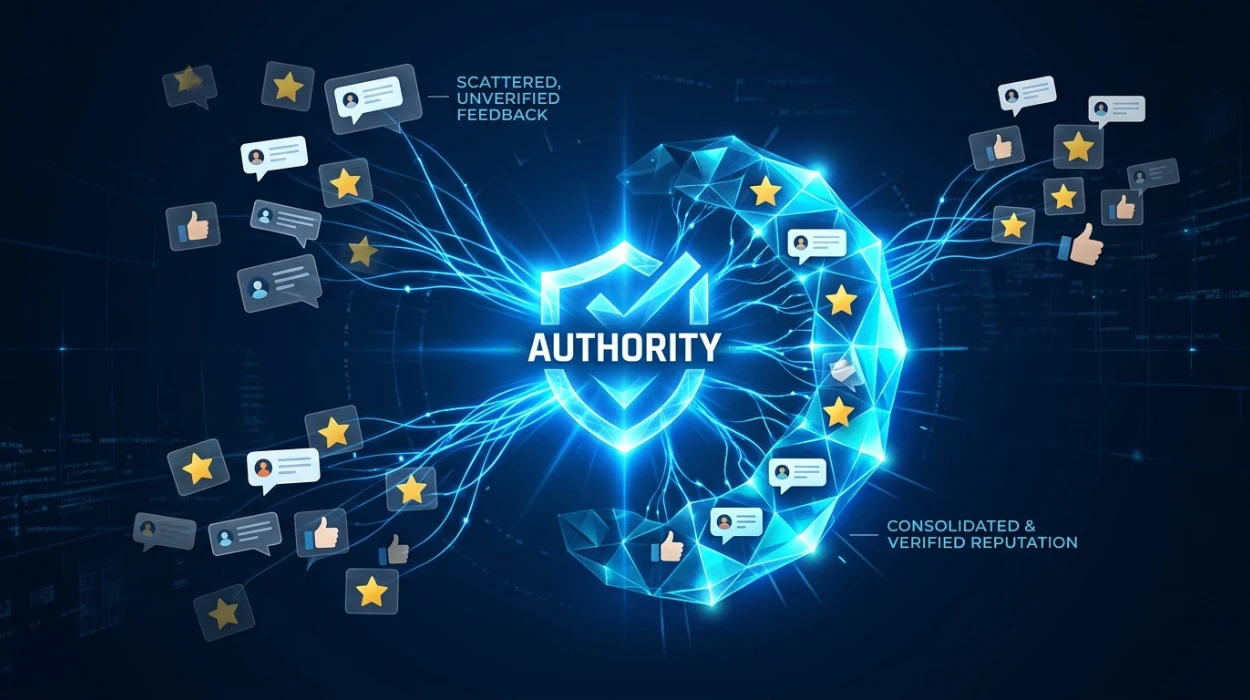
Which approach is more effective for handling negative employee reviews?
The most effective approach depends on whether the review is inaccurate, policy-violating, opinion-based or relevant criticism of the employee’s experience. Review assessment establishes the nature of the problem before the organisation chooses a response. A review that includes prohibited content requires a different intervention from one that criticises management decisions or workplace culture. Treating every negative review as removable creates unnecessary risk and overlooks the distinction between disagreement and a policy violation. A classification-led approach improves decision-making by matching the remedy to the evidence.
How does review removal compare with a public response?
Review removal is a platform-based intervention that requests the removal of content believed to violate Google’s review policies. It operates through a report and assessment process in which Google determines whether the content breaches its rules. Its main advantage is that a successful removal eliminates that review from the relevant Google surface, reducing its direct contribution to the visible review profile. Its limitation is that a business cannot force removal simply because a review is damaging, unfair or factually disputed. The platform’s policy assessment, rather than the organisation’s preference, determines the outcome.
A public response addresses the review without necessarily changing its status or visibility. It gives the organisation an opportunity to provide relevant context, correct a factual misunderstanding and demonstrate professional communication to people reading the feedback. A response also becomes part of the visible information surrounding the review, influencing how audiences interpret the exchange. However, a defensive, accusatory or overly detailed reply can intensify the dispute and raise additional questions about management conduct. The strongest response remains factual, concise and respectful of employee confidentiality.
The two approaches therefore serve different purposes. Removal focuses on policy compliance, while a public response focuses on context and audience interpretation. Where a review contains a clear policy violation, reporting it is the relevant first step; where the review expresses an allowed opinion, a measured response is generally more appropriate. Neither method automatically changes other search results, third-party discussions or the underlying perception of workplace culture.
How does content enhancement compare with negative content suppression?
Content enhancement improves the visibility and usefulness of accurate information, while negative content suppression seeks to reduce the prominence of harmful material through legitimate interventions. These strategies differ in mechanism, timescale and level of control. Content enhancement develops relevant pages, strengthens official information and improves access to credible sources about the organisation. Negative content suppression focuses on correcting inaccuracies, requesting the removal of policy-violating material and reducing the relative prominence of harmful results where legitimate methods support that outcome. Neither approach guarantees a particular ranking position because search engines independently determine how results are displayed.
When is content enhancement more suitable than removal?
Content enhancement is more suitable when a negative review complies with platform policies and expresses an opinion that the business cannot legitimately demand be removed. An organisation can strengthen its digital footprint through accurate service information, clear company details and useful content that answers common questions. These resources provide additional context for people researching the business and help establish a more complete picture of its activities. Their effectiveness depends on relevance, content quality, discoverability and whether they address genuine information needs. Publishing repetitive promotional pages simply to push down criticism does not provide the same informational value.
Content enhancement also supports long-term entity credibility by ensuring that accurate business information remains accessible. A well-maintained website, consistent business details and transparent explanations of workplace policies give audiences additional sources to evaluate. These resources do not invalidate an employee’s experience, nor do they automatically outrank a review page. Their contribution is informational: they expand the evidence available to readers rather than attempting to erase an unfavourable perspective. This makes content enhancement a sustainable component of reputation management, although its search impact depends on competitive conditions and search engine evaluation.
When is negative content suppression more appropriate?
Negative content suppression is more appropriate when a specific result contains demonstrably inaccurate information or when a review violates the platform’s rules. The process begins by identifying the exact content, recording its location and gathering evidence relevant to the requested intervention. The organisation then selects the appropriate route, such as reporting a policy violation, requesting a factual correction from a publisher or seeking qualified legal advice where the circumstances justify it. The suitability of each route depends on the nature of the content and the evidence available. A request does not guarantee removal, and legal remedies depend on the applicable law and facts.
Suppression has a narrower scope than comprehensive reputation management. Removing one review does not remove copied allegations from independent websites, resolve the original workplace dispute or guarantee an improvement in overall sentiment distribution. Where content remains lawful and compliant with platform rules, the available options are more limited. A business that relies exclusively on removal requests can therefore spend resources pursuing outcomes outside its control. A balanced strategy distinguishes content that warrants formal action from content that requires contextual responses and better information elsewhere.
Should businesses prioritise reactive or proactive reputation management?

Proactive reputation management provides a more stable foundation because it maintains accurate information and monitoring before a reputational issue becomes prominent. Reactive management responds to an existing review, complaint or negative search result after it attracts attention. Both approaches have a role, but their timing and objectives differ. Reactive action addresses a defined problem, whereas proactive activity reduces information gaps and helps identify new issues earlier. An effective comparison considers not only immediate visibility but also long-term trust signals, operational effort and exposure to further disputes.
What are the strengths and limitations of reactive management?
Reactive management is useful when a negative review requires prompt assessment or a policy violation needs reporting. It operates by identifying a specific issue, evaluating the evidence and selecting a proportionate response. This targeted process helps prevent inaccurate allegations from going unchallenged and creates a record of the steps taken. Its main strength is focus: resources are directed towards content that presents an identifiable concern. Its limitation is that repeated crisis responses can consume time without improving the wider information environment.
Reactive responses also influence audience perception through the way an organisation communicates under scrutiny. A calm reply that acknowledges the concern without disclosing private employment details can demonstrate procedural professionalism. By contrast, public accusations against a former employee can extend the dispute and introduce further reputational risks. A response needs to address the public-facing concern without exposing confidential information or making unsupported counterclaims. This means the quality of the response matters as much as its speed.
What are the strengths and limitations of proactive management?
Proactive management builds a consistent digital footprint through accurate business information, regular profile maintenance and ongoing review monitoring. It operates by ensuring that audiences can find reliable details about the organisation rather than encountering incomplete or outdated information. Regular monitoring also helps identify changes in review patterns and recurring subjects that require internal investigation. The approach supports continuity because reputation work becomes part of normal business operations rather than an activity reserved for a crisis. However, proactive management cannot prevent every negative review or guarantee favourable public opinion.
The key limitation is that a strong digital presence does not neutralise legitimate criticism. If former employees raise recurring concerns about communication or management practices, publishing more content does not resolve those underlying issues. Internal investigation and appropriate operational improvements remain necessary when the feedback identifies genuine problems. Proactive reputation management is most effective when the organisation aligns its public information with its actual practices. This relationship between conduct and communication supports more credible long-term outcomes than search-focused activity alone.
How do short-term and long-term strategies affect search visibility?
Short-term strategies address immediate reputation concerns, while long-term strategies focus on the continued quality and visibility of information associated with the organisation. A short-term intervention includes reviewing a complaint, responding to a specific review or submitting a policy-based removal request. A long-term strategy includes maintaining accurate business information, monitoring review sentiment and improving the organisation’s underlying practices. The difference is not simply the time required; it is the scope of the outcome each method targets. Short-term action addresses an individual issue, while long-term work evaluates the broader information environment.
Which outcomes can businesses measure immediately?
Businesses can measure immediate operational outcomes by recording completed actions and observable changes in review status. Examples include whether a response has been published, whether a removal request has been submitted and whether the platform has issued a decision. These measures demonstrate progress through the process, but they do not establish that public perception has improved. A submitted report is not the same as a successful removal, and a published response does not guarantee that readers accept the organisation’s explanation. Accurate reporting separates completed activity from verified outcomes.
Search visibility also requires careful measurement because results vary by query, location and time. A business can record which branded searches display particular review surfaces and monitor changes at consistent intervals. It can also compare the prominence of official information with the prominence of negative content for relevant queries. These observations help establish whether the visible search environment has changed, but they do not prove that one action caused the change. Reliable evaluation records the baseline, the intervention and the subsequent result without overstating causation.
Dive Deeper With Our Expert Guides:
Removing Off-Topic and Policy-Violating Reviews From Google
Merging Duplicate Listings to Consolidate Your Google Reviews
Which outcomes require long-term monitoring?
Long-term monitoring evaluates whether reputation signals remain stable and whether new issues change the organisation’s visible information landscape. Useful indicators include recurring review themes, response patterns, the continued accessibility of accurate business information and changes in relevant search results. Monitoring also identifies whether the same concerns appear repeatedly across feedback channels. When a recurring theme relates to actual workplace practices, the organisation needs to investigate the underlying issue rather than treating every new review as an isolated search problem. This links digital reputation analysis with operational accountability.
Sustainability depends on maintaining accurate information and reviewing the strategy as conditions change. A single removal or response does not prevent future criticism, copied content or new reviews from appearing. An ongoing process establishes who monitors feedback, who approves public responses and how evidence is recorded. It also defines when an issue requires escalation to platform support, legal advisers or internal management. These controls reduce inconsistency and make reputation decisions easier to audit over time.
How can businesses evaluate effectiveness, scalability and risk?
Businesses can evaluate reputation management methods by measuring their effectiveness against the specific problem, their ability to handle increasing review volumes and the risks created by each intervention. Effectiveness concerns whether the chosen method addresses the actual issue. Scalability concerns whether the process remains consistent as the number of reviews, locations or platforms increases. Risk exposure concerns the possibility of privacy breaches, inaccurate statements, unnecessary escalation or non-compliant attempts to influence public feedback. A method that improves one metric while creating greater risks elsewhere does not represent a balanced outcome.
A structured evaluation compares each option against the same criteria:
- Classify each review by content type, distinguishing factual allegations, subjective opinions and potential policy violations before selecting an intervention.
- Measure visibility changes by recording relevant search queries, review status and the prominence of accurate business information at defined intervals.
- Compare resource requirements by tracking staff time, evidence collection, response approval and follow-up work for each method.
- Assess risk exposure by checking confidentiality, factual accuracy, platform compliance and the potential for public escalation.
- Review sustainability by monitoring recurring feedback themes and verifying whether the organisation has addressed substantiated operational concerns.
This framework makes the comparison more objective because each approach is assessed according to the problem it is intended to solve. Removal requests are evaluated through policy compliance and decisions, public responses through clarity and professionalism, and content enhancement through relevance and visibility. Proactive monitoring is evaluated through issue detection and continuity, while reactive management is assessed through its handling of specific incidents. The measures are related but not interchangeable. Separating them prevents a business from treating activity, search visibility and reputation improvement as equivalent outcomes.
Which reputation management approach provides the most sustainable outcome?
A combination of proportionate review handling, accurate content and proactive monitoring provides the broadest approach to sustainable reputation management. Removal is appropriate for content that violates platform policies, while public responses provide context for criticism that remains permitted. Content enhancement strengthens the information available to audiences, and monitoring helps identify emerging issues before they become persistent concerns. These methods complement one another because each addresses a different part of the reputation system. Their effectiveness depends on matching the intervention to the evidence rather than applying the same response to every negative review.
The central distinction is between managing visible information and resolving the issues that generate criticism. Search optimisation influences the accessibility of content, but it does not independently establish whether a former employee’s account is accurate. Platform procedures determine whether a review qualifies for removal, while readers form judgements from the review and its surrounding context. Sustainable reputation management therefore combines careful content assessment, transparent communication, appropriate platform procedures and attention to substantiated workplace concerns. This approach protects entity credibility while recognising the limits of search ranking influence and content suppression.
For organisations comparing possible next steps, address ex-employee Google reviews is a relevant decision-stage topic connecting the analysis of review-handling methods with the practical evaluation of reputation management options.
How should businesses handle negative Google reviews from former employees?
Businesses should assess the review, identify any factual inaccuracies and check whether the content violates Google’s review policies. A professional, privacy-conscious response can provide context while protecting the organisation’s online reputation and credibility.
Can a business remove a negative Google review from an ex-employee?
Google can remove reviews that violate its content policies, but criticism alone does not qualify for removal. Businesses can report suspected violations and provide relevant evidence for Google to assess.
Do former employees’ Google reviews affect a company’s reputation?
Yes, negative reviews can influence customer trust, employer reputation and public perception, particularly when they appear prominently in branded search results. Their impact depends on the review’s content, visibility and how readers interpret it alongside other reputation signals.
Should businesses respond publicly to negative reviews from former employees?
A public response is useful when it addresses concerns professionally, corrects relevant inaccuracies and avoids disclosing confidential employment information. Businesses should avoid personal accusations or defensive language that can intensify the dispute.
How can businesses protect their online reputation from negative employee reviews?
Businesses can monitor Google reviews, respond consistently, report policy violations and maintain accurate information across their digital presence. Investigating recurring workplace concerns also helps address underlying problems rather than focusing solely on search visibility.