

ChatGPT recommendations are influenced by how clearly a legal practice is represented through relevant, consistent and authoritative digital information. Reputation management strategies differ based on whether the objective is to improve entity credibility, alter SERP composition, or address existing negative reputation signals.
Online reputation control methods are evaluated through their ability to establish accurate entity associations, strengthen relevant trust signals and influence the information available across search ecosystems. For legal practices, this involves comparing content enhancement, content removal, organic reputation building and reactive reputation management according to their mechanisms, risks and sustainability.
Which reputation management approach has the strongest influence on ChatGPT recommendations?
Content enhancement provides the broadest foundation because it increases the amount of relevant information available about a legal practice. Content enhancement operates by developing authoritative material around practice areas, professional expertise, legal subjects and entity attributes. This creates additional semantic relationships that help establish what a firm represents within digital information systems.
Content creation differs from content removal because the two approaches modify different parts of the information environment. Content creation adds relevant information that strengthens an entity’s topical representation, while removal strategies attempt to reduce the visibility or availability of existing information. The first approach focuses on information enhancement, whereas the second focuses on information reduction.
For ChatGPT recommendations, entity clarity remains particularly important because referral queries contain multiple contextual requirements. A practice needs identifiable associations with the relevant legal speciality, location and professional expertise. Content that establishes these relationships provides a stronger informational basis than content that simply repeats a firm’s name.
Content enhancement also has greater scalability because one well-structured resource can establish relationships across multiple related queries. Its limitation is that newly created content competes within an existing search environment and does not automatically replace established sources. Its effectiveness therefore depends on relevance, authority, indexing and the wider distribution of reputation signals.
Is content creation more effective than content removal for legal reputation?
Content creation and content removal address opposite reputation-management problems, making their effectiveness dependent on the underlying SERP condition. Content creation operates by introducing additional relevant information into the search ecosystem. Content removal operates by seeking the reduction or elimination of specific information where a legitimate removal mechanism exists.
Content enhancement is generally associated with long-term information development. A legal practice can create resources explaining its expertise, professional credentials and areas of law, establishing additional topical connections. These resources contribute to the informational depth surrounding the entity and provide search engines with more context for interpretation.
Content removal has a narrower mechanism. It targets an existing asset rather than building a broader information structure around the entity. Where inaccurate, outdated or inappropriate information qualifies for removal, reducing its accessibility can change the composition of search results. However, removal does not automatically replace the removed content with stronger authority signals.
The distinction becomes important when evaluating search ranking influence. Removing one negative page changes the available result set, while creating authoritative resources increases the number of relevant assets associated with the entity. Content suppression versus content enhancement therefore represents a choice between reducing an existing signal and expanding the positive informational context.
How do organic and reactive reputation strategies compare?
Organic reputation management develops reputation signals continuously through authoritative content, professional references and consistent entity information. Reactive reputation management responds to an identifiable reputation issue, such as inaccurate content, negative reviews or an unfavourable SERP result. The primary difference is timing: organic strategies establish reputation infrastructure before a specific problem requires intervention, while reactive strategies address an existing condition.
Organic approaches operate through cumulative information development. Consistent publishing, accurate professional profiles and relevant external references expand the entity’s digital footprint. Over time, these assets create a larger network of semantic relationships between the legal practice and its areas of expertise.
Reactive approaches operate through targeted intervention. A practice first identifies the specific asset or signal affecting search perception and then evaluates whether correction, response, removal or additional content represents the appropriate mechanism. This produces greater precision but also creates greater dependence on the characteristics of the individual reputation issue.
From a risk perspective, reactive management has a narrower scope but a higher requirement for accurate diagnosis. Treating every negative result as a content problem ignores differences between inaccurate information, legitimate criticism, low-authority content and authoritative reporting. Organic development provides broader resilience because the entity’s reputation does not depend on resolving a single search result.
Which strategy has a stronger long-term effect on search visibility?
Long-term search visibility is more closely associated with sustained information quality than with isolated reputation interventions. A long-term strategy develops authoritative content, strengthens entity relationships and maintains consistent professional information. These activities create a durable information structure that remains relevant across related searches.
Short-term interventions operate differently. Removing or addressing one prominent result can alter SERP composition quickly when the relevant mechanism succeeds. However, the change remains dependent on the specific result, its ranking position and the availability of competing information.
Long-term content enhancement provides greater sustainability because it expands the entity’s searchable footprint. A legal practice covering a defined subject through interconnected, authoritative resources creates multiple opportunities for relevant search visibility. The strategy also supports semantic consistency by connecting related legal concepts to the same professional entity.
Short-term tactics remain useful for specific reputation conditions, particularly where a clearly identifiable asset requires immediate analysis. Their limitation is that they do not necessarily establish broader authority. A temporary change in SERP composition therefore does not equal a permanent improvement in entity credibility.
Dive Deeper With Our Expert Guides:
Building Multilingual Reputation Assets to Reach Diverse Clients
Turning Podcast and Webinar Appearances Into Authority Content
How do reviews compare with authoritative legal content as reputation signals?
Reviews and authoritative content represent different categories of reputation signals. Reviews primarily communicate user experience, sentiment and perceived service quality, while authoritative legal content communicates expertise, subject knowledge and professional relevance. Neither signal provides a complete representation of a legal practice on its own.
Review signals operate through sentiment distribution and recurring language. Consistent references to communication, professionalism or particular services create associations around the entity. Positive and negative sentiment therefore provides contextual information that contributes to online credibility and prospect perception.
Authoritative content operates through topical relevance and expertise. Detailed resources about legal subjects establish connections between the practice and specific areas of knowledge. Professional authorship and accurate information further strengthen the relationship between the content and the legal entity.
The two approaches therefore influence different dimensions of reputation. Reviews provide experience-oriented evidence, while authoritative content provides expertise-oriented evidence. A reputation analysis that evaluates only review sentiment misses the informational authority created through professional content, while an analysis that ignores reviews overlooks an important component of public perception.
How does SERP composition affect the way ChatGPT understands a legal practice?
SERP composition represents the distribution of information that appears for queries associated with a legal entity. It includes websites, professional profiles, directories, review pages, publications and other indexed resources. The composition influences what information users encounter and contributes to the wider digital environment surrounding the entity.
Search ranking influence operates through the relative visibility of individual assets. Highly visible pages receive greater exposure, while lower-ranking assets receive less attention during conventional search behaviour. Changes to the composition therefore alter which sources dominate the informational environment.
ChatGPT operates differently from a conventional search engine because it generates conversational responses rather than simply presenting ranked webpages. Nevertheless, clear entity information and relevant external evidence remain important to how an organisation can be understood within digital information systems. The distinction means that improving conventional rankings does not guarantee a specific AI recommendation.
This is why SERP control and AI recommendation influence require related but distinct evaluation. SERP control focuses on the visibility and composition of search results, while AI recommendation analysis focuses on entity interpretation, relevance and available information. Treating them as identical systems creates an inaccurate assessment of reputation strategy.

Does building topical authority improve a firm’s recommendation potential?
Topical authority improves the clarity of a firm’s relationship with specific legal subjects. Topical authority is the demonstrated depth and relevance of an entity’s information across a defined area of knowledge. It operates through interconnected content that consistently addresses related concepts rather than through isolated keyword placement.
For legal practices, topical authority involves more than publishing a high volume of pages. Each resource needs a defined relationship with the firm’s practice areas, professional expertise and wider legal subject. Internal linking, consistent terminology and structured information reinforce these semantic relationships.
The strength of this approach lies in scalability. A coherent content network can support multiple related queries while maintaining the same underlying entity association. Its limitation is that topical authority develops through accumulated evidence rather than through one isolated page.
This distinction is relevant to recommendation systems because a referral query frequently contains a specific legal requirement. A practice with clearly established topical relationships provides stronger contextual information for matching an entity to that requirement. The objective is therefore not simply greater content volume but greater informational precision.
How should legal practices evaluate reputation strategies before choosing an approach?
A reputation strategy can be evaluated through effectiveness, scalability, risk exposure and sustainability. These criteria distinguish between tactics that address a specific search result and approaches that strengthen the broader entity information environment.
- Measure the existing SERP composition by recording the pages, sources, sentiment and topics associated with branded and relevant non-branded queries.
- Compare content enhancement against removal strategies by identifying whether the primary problem involves insufficient authoritative information or an existing problematic asset.
- Evaluate entity credibility by checking consistency across websites, professional directories, publications and profiles that identify the legal practice.
- Assess sustainability by determining whether the selected approach creates durable reputation signals or depends on a temporary change to one search result.
This framework prevents reputation management from becoming a purely reactive activity. It also establishes a distinction between improving the information environment and attempting to alter individual search outcomes.
What is the most sustainable way to influence legal-practice perception?
The most sustainable approach combines accurate entity information, authoritative topical content, consistent professional profiles and ongoing reputation monitoring. This model strengthens the underlying information environment instead of relying exclusively on individual SERP interventions. It also distributes reputation signals across multiple sources and content types.
An integrated approach operates through information consistency. The practice’s name, professionals, locations, legal specialities and expertise remain aligned across relevant digital properties. This alignment supports entity resolution and reduces ambiguity when search systems interpret references to the organisation.
Reputation monitoring then identifies changes in sentiment distribution, SERP composition and external references. Monitoring does not itself improve reputation; it provides the measurement layer required to evaluate whether existing strategies produce the intended informational changes.
For practices examining the next level of AI-oriented reputation strategy, Shape How ChatGPT Recommends Your Firm represents a more specific consideration of how recommendation visibility relates to the broader entity and reputation framework.
What are the key differences between reputation strategies for ChatGPT recommendations?
Reputation strategies differ primarily according to the information problem they address. Content enhancement builds additional authority and topical relevance, content removal reduces the presence of specific information, organic strategies develop reputation progressively, and reactive strategies address defined reputation events.
The effectiveness of each approach depends on the underlying search condition. Content enhancement provides broader scalability and stronger long-term infrastructure, while removal strategies provide targeted intervention when an appropriate removal mechanism exists. Organic approaches create resilience through cumulative signals, whereas reactive approaches provide greater precision for individual reputation problems.
Search visibility, entity credibility and sentiment distribution therefore require separate evaluation. A strong strategy does not treat rankings, reviews, content and AI recommendations as interchangeable signals. Instead, it analyses how each component contributes to the overall information environment surrounding the legal practice.
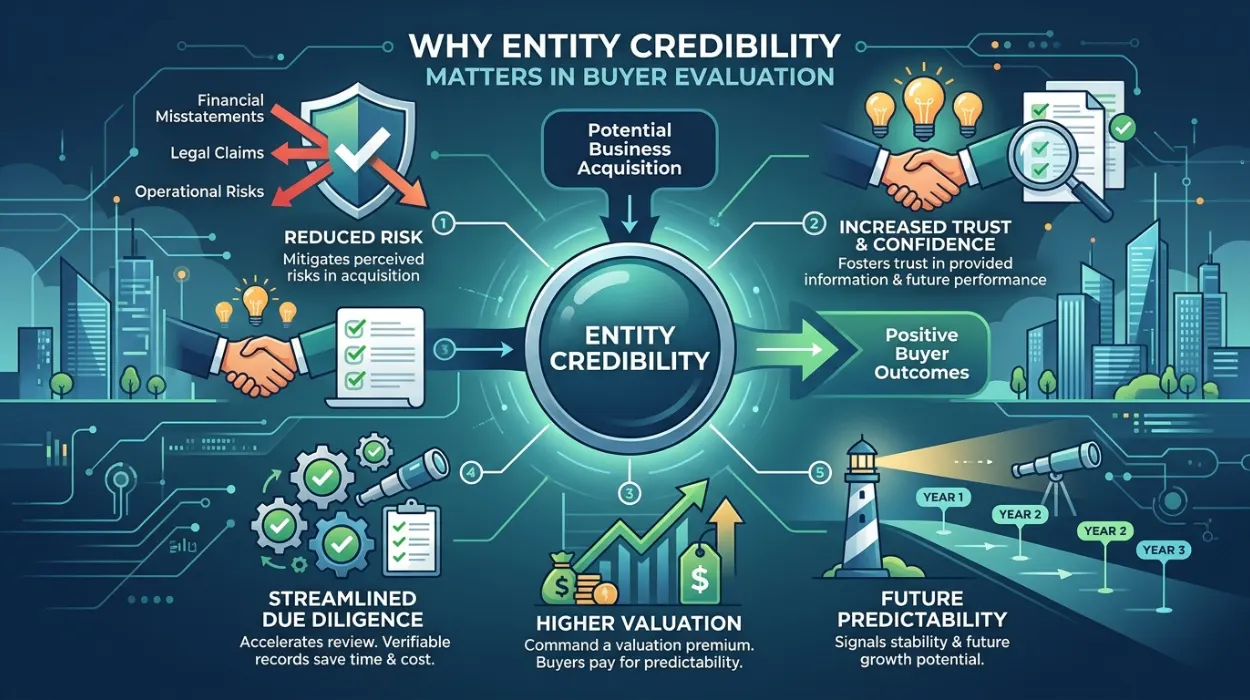
ChatGPT recommendation behaviour ultimately sits within this wider ecosystem. Clear entity information, relevant expertise, authoritative references and consistent reputation signals provide the informational foundation from which a legal practice can be understood. The strategic objective is therefore to evaluate the complete digital representation rather than relying on a single reputation-management technique.
How can a legal practice influence ChatGPT recommendations?
A legal practice can improve its digital representation by maintaining accurate entity information, authoritative legal content, consistent professional profiles and credible external references. These reputation signals help establish clear associations between the practice, its expertise and relevant legal topics.
What reputation signals influence ChatGPT lawyer recommendations?
Relevant reputation signals include professional credentials, authoritative content, online reviews, legal directories, publications and consistent business information. These signals contribute to how a legal practice is understood in relation to expertise, credibility and specific legal queries.
Does online reputation affect how ChatGPT recommends lawyers?
Online reputation contributes to the information environment surrounding a legal practice, including reviews, professional references, content and entity information. A clear and consistent digital footprint provides stronger contextual information for understanding a firm’s expertise and relevance.
How important are online reviews for a law firm’s reputation?
Online reviews provide reputation signals through ratings, written feedback and sentiment distribution associated with a legal practice. They complement other credibility signals by providing information about client experiences and perceptions of professional services.
Can reputation management for lawyers improve AI search visibility?
Reputation management for lawyers involves analysing and improving the information associated with a legal practice across relevant digital sources. Consistent entity information, authoritative content and accurate reputation signals contribute to a stronger online information environment, although they do not guarantee a particular AI recommendation.