
A viral political video requires rapid, evidence-led reputation management to control search visibility, protect entity credibility and establish accurate context. Clear My Name’s rapid-response approach focuses on reputation signals, SERP control and risk reduction rather than unsupported attempts to erase legitimate information.
When a political video gains rapid attention, its influence extends beyond the original upload. News articles, social posts, commentary, reaction videos and secondary references create a wider digital footprint around the political entity. Search engines index this information and determine which sources appear for relevant queries. The resulting SERP composition directly affects what voters, journalists, organisations and other audiences encounter during online research. Effective reputation management for politicians therefore requires a structured process that separates legitimate information from inaccurate, manipulated or contextually incomplete material.
Which reputation management approach delivers the strongest response to a viral political video?
A structured combination of source assessment, content clarification, search monitoring and legitimate removal strategies delivers the strongest response because each method addresses a different reputation risk. Viral content creates several information layers, including the original video, secondary reporting and commentary. Treating these layers as one problem produces an incomplete response. A professional reputation management process maps each layer before selecting an appropriate intervention. This creates clearer control over visibility, evidence and long-term reputation risk.
The first stage evaluates the video’s origin, context, accuracy and distribution pattern. This establishes whether the material represents authentic footage, edited content, misleading presentation or legitimate criticism. The assessment then identifies where the video and related references appear in search results. This distinction is essential because a source-level issue requires a different mechanism from excessive SERP visibility. The resulting strategy aligns the response with the actual reputation condition rather than the volume of online attention.
How does Clear My Name’s rapid-response process manage search visibility?
Clear My Name approaches rapid-response reputation management through structured analysis of content, sources, search queries and reputation signals. The process begins by identifying the pages, videos and references associated with the viral event. Search visibility analysis then establishes which queries trigger the material and how prominently it appears. This provides a measurable baseline for evaluating subsequent changes. The objective is controlled search perception based on accurate information rather than artificial claims.
The process also separates content that requires source-level action from content that requires contextual competition. Where information has a legitimate basis for removal, the appropriate source or platform mechanism provides the relevant route. Where legitimate information remains online, content enhancement and search visibility analysis provide a different strategic pathway. This distinction prevents negative content suppression from being treated as an automatic solution. It also reduces the risk of attempting to remove information that forms part of legitimate public reporting.
Can reputation management influence the visibility of a viral political video?
Reputation management influences visibility by addressing the information ecosystem surrounding a search query rather than controlling search algorithms directly. Search engines independently evaluate relevance, authority, freshness and other signals when determining SERP composition. A reputation strategy therefore focuses on the quality, relevance and structure of information available to search systems. Authoritative contextual content provides additional information for users and search engines to evaluate. Monitoring then measures how the resulting information environment changes over time.

This approach is particularly important when secondary content begins to dominate searches related to the politician. A single video can generate numerous references that repeat the same claim without adding independent evidence. Search analysis identifies these relationships and distinguishes original sources from derivative coverage. Content development then addresses information gaps with accurate, relevant material. The outcome is a broader information environment that provides users with greater contextual depth.
What makes a rapid political reputation response reliable?
Reliability comes from evidence, process clarity and measurable evaluation rather than the speed of publication alone. A reliable response verifies the underlying content before developing corrective or contextual information. It records the search queries, ranking positions, source types and sentiment patterns relevant to the event. This creates an auditable basis for strategic decisions. Each intervention then has a defined purpose within the wider reputation-management process.
Clear My Name integrates this structured approach into its reputation management framework. The emphasis remains on identifying the source of reputational risk, understanding its search impact and applying the appropriate mechanism. This reduces the possibility of responding to the wrong information layer. It also provides clearer expectations about what constitutes measurable progress. Search visibility, content prominence and contextual representation become evaluation points rather than assumptions.
Which reputation signals matter most after a political video goes viral?
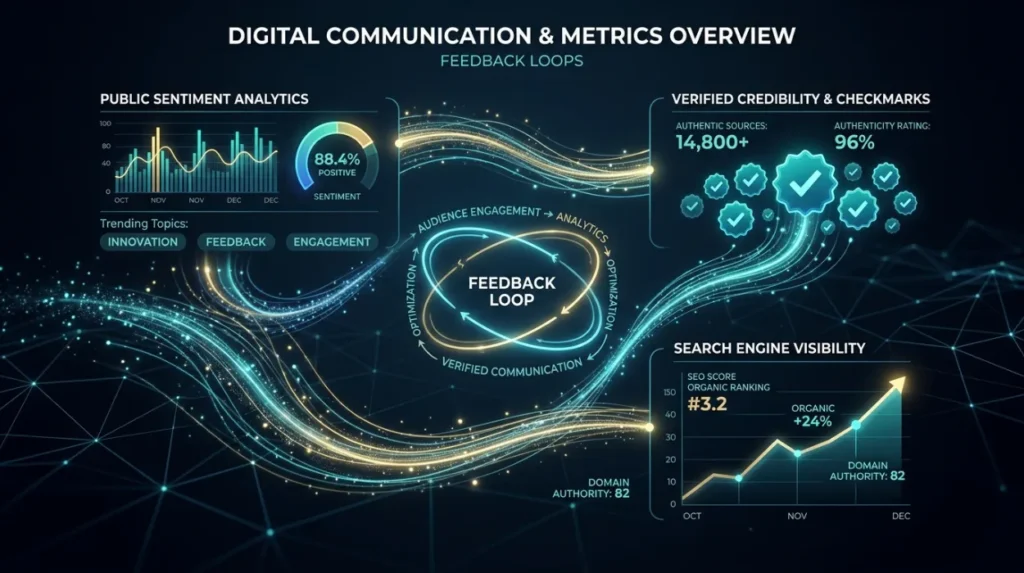
Source authority, topical relevance, sentiment distribution, content freshness and search prominence represent important reputation signals after a viral event. These signals do not operate as a single reputation score. Instead, they contribute to how information surrounding a political entity is represented across search ecosystems. A highly authoritative article and an anonymous social comment provide different forms of information. Reputation analysis therefore evaluates the quality and context of signals rather than simply counting mentions.
The relationship between these signals also matters. A viral video can generate a large volume of references, but repeated references do not automatically establish independent credibility. Search analysis examines whether secondary pages provide new evidence, repeat the original material or introduce additional context. This distinction helps identify the actual information sources driving search perception. The resulting strategy focuses resources on the signals with the greatest relevance to the affected search environment.
How does negative content suppression compare with content enhancement?
Negative content suppression and content enhancement address different stages of search visibility. Suppression focuses on reducing the prominence of specific negative results, while enhancement develops authoritative information that strengthens the broader digital footprint. Suppression is directly connected to SERP positioning, whereas enhancement focuses on the availability and relevance of alternative information. Neither mechanism automatically eliminates legitimate third-party reporting. The appropriate choice depends on the nature of the underlying content and the available evidence.
A balanced strategy frequently requires both forms of analysis. Search visibility monitoring identifies whether negative material remains prominent for priority queries. Content enhancement then addresses gaps in the information available to users. Where legitimate removal is available, source-level action operates independently from search optimisation. Separating these mechanisms creates greater strategic precision and reduces the risk of treating every negative result as a suppression problem.
How quickly can a viral political reputation issue be addressed?
Initial reputation analysis needs to begin quickly because viral content can generate secondary references at a rapid rate. Early assessment establishes the original source, identifies emerging search queries and records the initial SERP environment. This baseline provides a reference point for measuring subsequent visibility changes. Speed therefore has value when it improves the quality and timing of analysis. It does not replace factual verification.
Rapid-response work also requires prioritisation. The most visible result is not always the most authoritative source, and the most shared post is not necessarily the primary information source. A professional assessment distinguishes visibility from evidential importance. This prevents resources from being directed solely towards engagement metrics. The resulting response addresses the information architecture of the reputational event rather than its social-media volume.
Dive Deeper With Our Expert Guides:
Reputation Management for Local Councillors by Clear My Name
Get Ahead of Opposition Research With Clear My Name
What outcomes can a lawfully managed viral-video response deliver?
A professionally managed response can deliver measurable improvements in search visibility, contextual completeness and reputation-risk control. The precise outcome depends on the underlying content, available remedies and search environment. A suitable strategy can reduce the prominence of inaccurate or irrelevant material where legitimate mechanisms support that outcome. It can also strengthen the presence of accurate information that provides users with broader context. These outcomes create a more controlled representation of the political entity online.
The main outcome categories include:
- Improve search visibility by monitoring priority queries and tracking changes in SERP composition.
- Strengthen entity credibility by developing accurate, authoritative and contextually relevant information.
- Reduce reputation risk by separating legitimate criticism from misinformation and misleading content.
- Stabilise search perception by maintaining relevant information after the initial viral event subsides.
- Measure progress through documented changes in rankings, content prominence and source representation.
These outcomes provide a more reliable basis for evaluating reputation management than impressions or social engagement alone. A high volume of online activity does not demonstrate improved credibility. The relevant indicators relate to what users encounter, which sources appear and how accurately the available information represents the entity.
How does reputation management reduce the long-term risk of viral content?
Long-term risk reduction depends on maintaining an accurate and authoritative digital footprint after the immediate event. Viral content can continue generating references long after the original publication because later articles and social discussions retain links to the event. Continuous monitoring identifies new references and changes in search visibility. Relevant content can then be maintained or updated as the information environment develops. This transforms reputation management from a one-time response into an ongoing control process.
Sustainability also requires avoiding tactics that create additional reputational problems. Unsupported claims, artificial reviews or misleading content introduce new risk signals and weaken entity credibility. A reliable strategy uses verifiable information and legitimate search mechanisms. This protects the integrity of the digital footprint while addressing visibility concerns. Long-term reputation strength therefore depends on information quality as much as ranking performance.
Is the cost of rapid-response reputation management justified by the long-term value?
The value of rapid-response reputation management is assessed through risk exposure, search visibility and the potential duration of reputational impact. A viral event can create a persistent digital footprint that influences future searches long after public attention declines. The cost of analysis and intervention therefore relates to the scale and persistence of the search problem. Measuring the initial SERP environment provides a basis for prioritising resources. This approach connects expenditure with identifiable reputation risks rather than treating reputation management as an undefined marketing cost.
Long-term value also comes from process continuity. A response that addresses immediate visibility but provides no monitoring framework leaves the digital environment exposed to future changes. A sustainable programme tracks relevant queries, new content and source authority over time. This creates a repeatable mechanism for identifying emerging risks. The investment therefore supports both immediate containment and longer-term reputation stability.
How does Clear My Name provide a controlled response to viral political content?
Clear My Name provides a structured reputation-management approach centred on search analysis, content assessment and risk reduction. The process evaluates the original information, related references and the search environment before selecting an appropriate strategy. This creates a distinction between legitimate removal opportunities, negative content suppression and content enhancement. Each mechanism addresses a different part of the digital reputation system. The approach therefore prioritises process clarity over unsupported promises.
For decision-makers assessing their options, a professional reputation management service provides a structured way to analyse search visibility, reputation signals and content risks. The service becomes most relevant when a viral event creates a measurable change in the information environment and requires coordinated assessment. Clear My Name’s role is centred on applying that analysis through an organised reputation-management process.
Why does contextual information matter when controlling political search perception?
Contextual information matters because users rarely evaluate a viral video in complete isolation. Search results can contain the original footage, partial quotations, commentary, reporting and subsequent explanations. Without sufficient context, one highly visible piece of content can dominate the initial representation of an entity. Accurate supporting information expands the available evidence. This allows search users to evaluate the subject through a broader information set.
The relationship between context and search visibility also creates a connection with earlier-stage reputation analysis. Understanding how a viral clip can redefine a political career helps explain why rapid changes in digital attention can create persistent search signals. A decision-stage strategy then applies that understanding to the specific information environment surrounding the event. This creates continuity between reputation education, strategic evaluation and direct intervention.
How should a political reputation strategy remain sustainable after the viral event?
A sustainable strategy continues monitoring after the initial visibility crisis has stabilised. New articles, videos, commentary and search queries can change the SERP environment without warning. Regular analysis identifies whether the original event remains dominant or whether newer information has altered the entity’s digital footprint. This creates an evidence-based basis for maintaining, updating or adjusting the strategy. Sustainability therefore depends on monitoring rather than assuming that one intervention permanently resolves the issue.
Decision-makers can also use a structured rapid-response playbook for viral political content to evaluate future events consistently. The framework separates verification, source assessment, search analysis, contextual development and ongoing measurement. This reduces inconsistent reactions and establishes repeatable processes. Over time, the resulting digital footprint becomes easier to evaluate because baseline information and monitoring records already exist.
Containing a viral political video requires more than attempting to reduce the visibility of one piece of content. Effective reputation management evaluates the original source, surrounding information, search visibility, reputation signals and entity credibility before selecting an appropriate intervention. Source-level remedies, negative content suppression and content enhancement each operate through different mechanisms and require different evidence.
Clear My Name offers a structured approach built around process clarity, search analysis and measurable reputation outcomes. By separating immediate response from long-term monitoring, the strategy reduces risk while supporting a more accurate and controlled digital information environment. The result is a reputation-management process designed around evidence, visibility and sustainable search perception rather than exaggerated promises.
How can a viral political video affect a politician’s online reputation?
A viral political video can generate extensive news coverage, social posts and indexed references that influence search visibility and public perception. Its reputational impact depends on source authority, context, sentiment distribution and continued search prominence.
How does reputation management for politicians handle viral videos?
Reputation management for politicians evaluates the video’s source, accuracy, context and search visibility before selecting an appropriate response. Depending on the circumstances, the strategy can involve legitimate removal requests, content clarification, negative content suppression or content enhancement.
Can a reputation management service remove a viral political video?
Removal depends on the source, platform rules and whether a legitimate basis for removal exists. When removal is unavailable, reputation management focuses on accurate contextual information, search visibility analysis and monitoring of related content.
How quickly should a politician respond to a viral video?
Initial analysis needs to begin quickly because viral content can generate secondary coverage and new search results rapidly. The response still requires factual verification to prevent inaccurate information from creating additional reputation risks.
What is the best way to protect a politician’s reputation after a viral video?
The most effective approach combines source assessment, factual verification, SERP monitoring and long-term digital reputation management. This helps distinguish legitimate criticism from misinformation while strengthening accurate and authoritative information across the search ecosystem.