

Reputation management strategies differ based on the type of online reputation risk, the source of indexed content and the search signals influencing visibility. Online reputation control methods are evaluated through their impact on search ranking influence, entity credibility, reputation signals and long-term SERP composition.
Executive reputation is evaluated continuously within search ecosystems through indexed content, authority signals and semantic relationships. Search engines interpret executives as entities connected to organisations, industries and publicly available information, meaning changes in digital content directly influence online perception. Reputation risks emerge when search results become dominated by negative, misleading or outdated information that alters entity credibility. Different reputation management methods address these risks using distinct mechanisms, each producing different outcomes in search visibility and sentiment distribution. Understanding these approaches enables informed evaluation without assuming one method applies to every situation.
What are the biggest online reputation risks facing CEOs today?
The biggest online reputation risks are persistent search visibility issues created by authoritative negative content, inconsistent entity information and unfavourable sentiment distribution across digital platforms. Each risk influences how search engines interpret executive credibility and present information within search results.
Search ecosystems collect information from news websites, corporate records, regulatory databases, review platforms, social media and industry publications. Search algorithms compare these sources to establish confidence in entity identity and topical relevance. When negative information gains authority or sustained visibility, it contributes stronger reputation signals than isolated positive content. This imbalance affects how users evaluate executives before engaging with an organisation.
Online reputation risks also differ in duration. Some emerge rapidly after high-profile events, while others remain visible because authoritative pages continue attracting backlinks, citations and user engagement. Evaluating the origin of the risk determines which reputation management approach aligns with the structure of the search ecosystem.
Persistent negative search results
Persistent negative search results refer to authoritative pages that continue ranking prominently for an executive’s name or related queries over extended periods. These results remain visible because search engines continue recognising their relevance and authority.
High-ranking negative content influences entity perception by becoming part of the executive’s searchable identity. Search ranking influence increases when trusted publishers continue receiving citations, backlinks and consistent user interaction.
Removing visibility often requires understanding why search engines continue valuing the content rather than focusing exclusively on publication age.
How do search engines interpret executive reputation signals?
Search engines interpret executive reputation signals by analysing authority, relevance, contextual consistency and sentiment across indexed content. These signals collectively influence entity credibility and search ranking influence.
Algorithms evaluate information using semantic understanding rather than isolated keywords. Executive reputation becomes associated with organisations, industries, leadership topics and publicly available records through entity relationships. Every indexed document contributes contextual information that either reinforces or weakens overall digital trust.
Search systems also compare publisher authority before determining which information deserves greater visibility. Editorial standards, factual verification and recognised expertise increase confidence in indexed documents. This evaluation process affects both ranking position and long-term reputation signals.
Authority signals and entity credibility
Authority signals represent measurable indicators of content reliability. Search engines assign greater weight to trusted publications because editorial oversight improves factual confidence.
Entity credibility develops when multiple authoritative sources consistently describe the same executive using aligned contextual information. Search algorithms strengthen semantic understanding by recognising repeated associations between individuals, organisations and expertise.
Authority therefore functions as a ranking factor that extends beyond individual webpages to influence broader executive perception.
Which reputation management approaches are commonly evaluated?
Reputation management approaches differ according to whether they influence existing content, create additional authoritative information or improve entity clarity across search ecosystems. Each approach operates through different mechanisms and produces different effects on search visibility.
Evaluation focuses on how effectively each method influences reputation signals without disrupting search quality standards. Some methods improve semantic relevance by expanding authoritative content, while others address inaccurate information directly through correction or removal procedures.
Comparing these approaches provides a clearer understanding of their strengths, limitations and sustainability within evolving search environments.

Content suppression versus content enhancement
Content suppression operates by reducing the relative visibility of unfavourable information through the publication and optimisation of stronger authoritative content. Search engines reassess ranking positions as additional trusted resources become available.
Content enhancement focuses on strengthening existing positive or neutral assets rather than reducing visibility of negative pages. Improving corporate biographies, executive profiles, interviews and knowledge resources increases semantic depth around recognised expertise.
Content suppression influences SERP composition through competition, whereas content enhancement improves entity understanding through information quality.
Content correction versus content removal
Content correction addresses factual inaccuracies by updating information within existing publications. Corrections improve search confidence because search engines recognise revised authoritative content during future indexing.
Content removal eliminates information entirely when legal, editorial or policy-based mechanisms permit removal. This approach changes search visibility by reducing indexed availability rather than competing with existing content.
Correction improves information accuracy, while removal changes the searchable content landscape itself. Their effectiveness depends upon publisher policies, legal frameworks and indexing behaviour.
How do proactive and reactive reputation strategies compare?
Proactive reputation management establishes strong entity credibility before significant reputation risks emerge. Reactive reputation management addresses existing visibility challenges after search perception has already changed.
The distinction lies in timing rather than objective. Both approaches evaluate reputation signals, search ranking influence and content quality, but they operate at different stages of the executive’s digital lifecycle.
Search ecosystems continuously evolve, making both approaches relevant under different circumstances. Comparing their mechanisms highlights differences in scalability and long-term sustainability.
Proactive strategies strengthen digital footprints through consistent publication of authoritative, accurate and semantically relevant information. Search engines gain stronger entity confidence because they encounter reliable content across multiple trusted domains.
This approach expands topical authority while reinforcing executive expertise before conflicting narratives emerge. Long-term semantic consistency improves search understanding through cumulative authority signals.
Proactive methods generally produce gradual improvements because search ecosystems require ongoing indexing and evaluation.
Reactive strategies focus on analysing existing search composition before selecting an appropriate response. Evaluation begins with identifying authoritative sources, ranking positions and sentiment distribution.
Reactive methods often include correcting inaccurate information, requesting editorial updates, evaluating removal eligibility or improving competing authoritative content.
Their effectiveness depends upon the characteristics of the indexed material rather than the reputation management method alone.
How do short-term and long-term reputation strategies differ?
Short-term and long-term reputation strategies differ in their objectives, implementation mechanisms and influence on search ecosystems. Short-term approaches focus on addressing immediate search visibility concerns, whereas long-term strategies strengthen entity credibility through sustained digital development.
Search engines continuously reassess indexed information, making reputation management an ongoing process rather than a single corrective action. Temporary adjustments rarely alter the broader semantic relationships that define an executive’s digital identity. Long-term improvements emerge from consistent authority signals, accurate entity associations and balanced sentiment distribution.
Evaluating these approaches requires measuring sustainability rather than immediate visibility changes. Search ranking influence becomes more stable when authoritative information continues expanding over time.
Short-term visibility management
Short-term visibility management concentrates on immediate search result composition by analysing which indexed documents receive the highest prominence. The objective is to understand how current search rankings influence public perception.
This approach often evaluates publication authority, search intent alignment and sentiment concentration. High-priority content receives greater attention because it contributes most significantly to reputation signals within the SERPs.
Short-term strategies improve understanding of existing search conditions, although they depend upon continuous reassessment as algorithms update rankings.
Long-term entity development
Long-term entity development strengthens executive identity through sustained publication of accurate, authoritative and contextually consistent information. Search engines reinforce entity credibility when they repeatedly identify reliable semantic relationships.
This approach expands topical authority by increasing the depth and breadth of trusted information associated with the executive. Consistency across biographies, interviews, corporate publications and recognised industry resources improves algorithmic confidence.
Long-term reputation development therefore supports more stable search visibility because authority accumulates through ongoing content indexing rather than isolated interventions.
Which reputation management methods provide the greatest sustainability?
The most sustainable reputation management methods strengthen search ecosystems through authoritative information, semantic consistency and accurate entity development rather than relying solely on isolated corrective actions. Sustainability is measured by the ability of reputation signals to remain effective as search algorithms continue evolving.
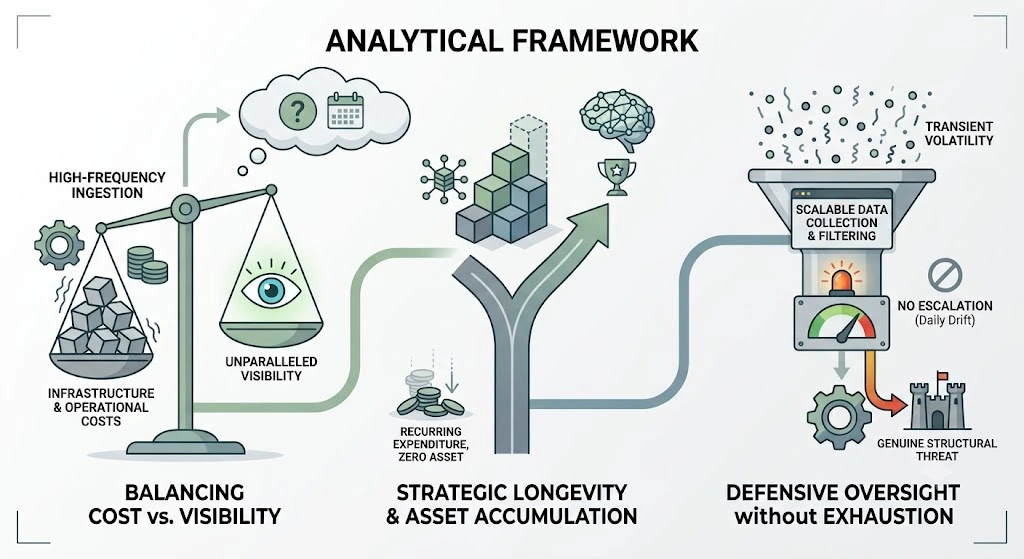
Search engines reward reliable information structures that consistently demonstrate expertise, trustworthiness and contextual relevance. Methods aligned with these principles generally retain value because they support algorithmic understanding instead of attempting to manipulate ranking systems.
Sustainability also depends upon scalability. Reputation management approaches that integrate naturally into ongoing digital publishing provide stronger long-term entity credibility than methods focused exclusively on immediate visibility changes.
Evaluate authoritative content expansion
- Develop authoritative publications that explain executive expertise through recognised editorial platforms, strengthening topical authority and semantic relevance.
- Maintain factual consistency across corporate profiles, biographies and industry references, enabling search engines to reinforce entity credibility.
- Expand contextual coverage by publishing information connected to recognised professional subjects, improving search understanding through broader semantic relationships.
Measure semantic consistency
- Compare indexed information across authoritative sources to identify inconsistencies affecting entity perception.
- Analyse naming conventions, organisational affiliations and professional history to improve semantic alignment throughout the search ecosystem.
- Monitor content indexing patterns to evaluate how updated information influences search visibility and reputation signals over time.
How do different reputation strategies influence SERP composition?
Different reputation strategies influence SERP composition by changing the balance of authoritative content available for indexing and ranking. Search engines continuously reassess content quality, entity relationships and relevance before determining which documents appear most prominently.
SERP composition reflects the interaction between publisher authority, semantic consistency and user intent. Reputation management methods therefore influence visibility by improving the quality and context of indexed information rather than altering algorithmic evaluation directly.
Changes in search composition occur gradually because search engines require sufficient evidence before adjusting ranking positions. Stronger authority signals and expanded contextual relevance contribute to more balanced search results over time.
Search ranking influence through authority
Search ranking influence develops when authoritative publications consistently provide accurate and contextually relevant information about an executive. Algorithms recognise these sources as reliable references during ranking evaluation.
Authority improves visibility because trusted publishers contribute stronger reputation signals than isolated or unsupported documents. Consistent editorial quality reinforces search confidence throughout the indexing process.
This mechanism demonstrates why reputation strategies centred on authoritative information often produce more sustainable outcomes than approaches focused only on immediate visibility concerns.
Entity perception through semantic relationships
Entity perception is strengthened when search engines identify consistent relationships between executives, organisations, industries and recognised expertise. Semantic analysis enables algorithms to interpret these connections with greater precision.
Each authoritative publication contributes additional contextual signals that refine entity understanding. As these relationships expand, search engines improve the accuracy of executive representation across search results.
Well-defined semantic relationships therefore support clearer SERP composition by reducing ambiguity and reinforcing trusted entity associations.
Online reputation risks facing CEOs differ according to the structure, authority and persistence of indexed content within search ecosystems. Evaluating these risks requires analysing reputation signals, entity credibility, sentiment distribution and search ranking influence rather than focusing on individual publications alone.
Different reputation management approaches operate through distinct mechanisms. Content suppression and content enhancement influence SERP composition differently, while proactive and reactive strategies address separate stages of digital reputation development. Short-term methods evaluate immediate search visibility, whereas long-term approaches strengthen sustainable entity credibility through authoritative information and semantic consistency.
Understanding these differences provides a structured framework for assessing reputation management methods based on effectiveness, scalability, sustainability and their influence on digital trust within modern search ecosystems.
What are the biggest online reputation risks facing CEOs today?
The biggest online reputation risks for CEOs include negative news coverage, inaccurate information, outdated search results, social media discussions and other high-ranking indexed content. These factors can influence search visibility, entity credibility and public perception across search engines.
How can negative search results affect a CEO’s reputation?
Negative search results often become the first information users see when researching a CEO, influencing trust and credibility. Search engines evaluate authoritative content and reputation signals, which can affect how an executive is perceived online over time.
What is reputation management for CEOs?
Reputation management for CEOs refers to the process of monitoring, evaluating and improving how executive information appears across search engines and digital platforms. It focuses on search visibility, content accuracy, entity perception and long-term digital trust rather than short-term image management.
What is the difference between content suppression and content removal?
Content suppression aims to reduce the visibility of negative search results by strengthening authoritative, relevant content, while content removal focuses on eliminating eligible content from its original source or search index. The appropriate approach depends on the nature of the content and the applicable editorial or legal framework.
Why is monitoring executive reputation important?
Regular monitoring helps identify changes in search results, sentiment distribution and reputation signals before they significantly affect online credibility. Organisations and providers such as Clear My Name recognise that ongoing evaluation supports informed decisions about reputation management for CEOs and digital risk assessment.