

Wholesale and distributor reviews matter to retail buyers because they provide reputation signals about reliability, product quality, fulfilment and commercial credibility. Reputation management is the process of monitoring and interpreting information that shapes how an entity is perceived across digital environments.
Online reputation refers to the cumulative perception created by publicly available information across search engines, business directories, review platforms, websites and professional networks. For wholesalers and distributors, reviews contribute to this reputation by providing third-party evidence that retail buyers can evaluate before establishing or continuing a commercial relationship.
Why Do Wholesale and Distributor Reviews Matter to Retail Buyers?
Wholesale and distributor reviews matter because retail buyers use reputation signals to evaluate commercial reliability before committing resources to a supplier. A review can contain information about delivery consistency, product standards, communication, pricing accuracy, stock availability and after-sales support. These details provide a form of external evidence that complements information published directly by the wholesaler or distributor.
Retail purchasing decisions involve operational risk as well as product selection. A buyer evaluating a supplier needs information about whether orders arrive accurately, whether products match descriptions and whether communication remains consistent during fulfilment. Reviews provide publicly accessible information that contributes to this assessment.
Within search ecosystems, review content also forms part of the digital footprint associated with a business entity. Search engines process publicly accessible content through indexing and ranking systems, while users interpret the same information according to relevance and credibility. Reviews therefore influence both search perception and human evaluation without functioning as a single standalone reputation score.
How Do Reviews Shape a Distributor’s Online Reputation?
Reviews shape a distributor’s online reputation by creating a persistent collection of third-party statements about commercial performance. Online reputation is not a single rating; it is the broader information environment surrounding an entity. Reviews contribute specific evidence about customer experiences, while websites, directories, trade publications and social profiles provide additional context.
The language within reviews also affects sentiment interpretation. Positive descriptions of delivery accuracy, product consistency or communication establish favourable semantic associations, while recurring complaints create negative associations around the same entity. Repeated themes become part of the visible information environment that retail buyers encounter during research.
The source of the review also affects perceived credibility. A detailed review containing specific operational information communicates more contextual evidence than an unsupported statement containing only a general opinion. Users therefore interpret review content through relevance, specificity and perceived authenticity, while search systems process the content according to their own indexing and ranking mechanisms.
What Reputation Signals Do Wholesale Reviews Provide?
Wholesale reviews provide reputation signals relating to operational performance, product reliability and commercial interaction. A reputation signal is information that contributes to the evaluation of an entity’s credibility, reliability or relevance. In wholesale and distribution, these signals frequently concern measurable aspects of supplier performance.
Review content can communicate whether products arrive as described, whether orders are fulfilled accurately and whether communication remains responsive. These details matter because retail buyers evaluate suppliers according to operational requirements rather than consumer experience alone. The semantic context of a review therefore determines the type of reputation signal it provides.
Reviews also provide consistency signals when independent sources describe similar characteristics. Consistent references to accurate fulfilment, reliable stock handling or professional communication create a clearer entity representation. Conversely, contradictory information introduces uncertainty into the digital footprint surrounding the distributor.
How Does Review Sentiment Affect Retail Buyer Perception?
Review sentiment affects retail buyer perception by indicating whether publicly documented experiences are predominantly favourable, neutral or adverse. Sentiment refers to the evaluative direction expressed through language, while perception concerns how users interpret that information within a particular decision context. These concepts overlap but are not identical.
A positive sentiment pattern around delivery reliability creates a different perception from repeated complaints about late fulfilment. Retail buyers interpret these signals according to their own commercial priorities, meaning the relevance of a review depends on what the buyer needs from a supplier. A review mentioning product quality carries different decision value from one discussing customer service.
Sentiment also interacts with review recency and consistency. Recent reviews provide information about current operations, while older reviews describe conditions from an earlier period. A collection of reviews spanning different periods therefore creates a temporal reputation signal that buyers interpret alongside current business information.
How Do Search Engines Interpret Wholesale and Distributor Reviews?

Search engines interpret review content through systems that analyse relevance, content relationships, quality and other ranking signals. Search engines do not treat a collection of reviews as a universal reputation score for a distributor. Instead, indexed content becomes part of the information available for search evaluation and query matching.
Content indexing determines whether a page or review becomes available to a search engine’s information system. Once indexed, relevant content can contribute to the information environment surrounding an entity. Its visibility then depends on ranking systems, query intent, authority and other factors rather than sentiment alone.
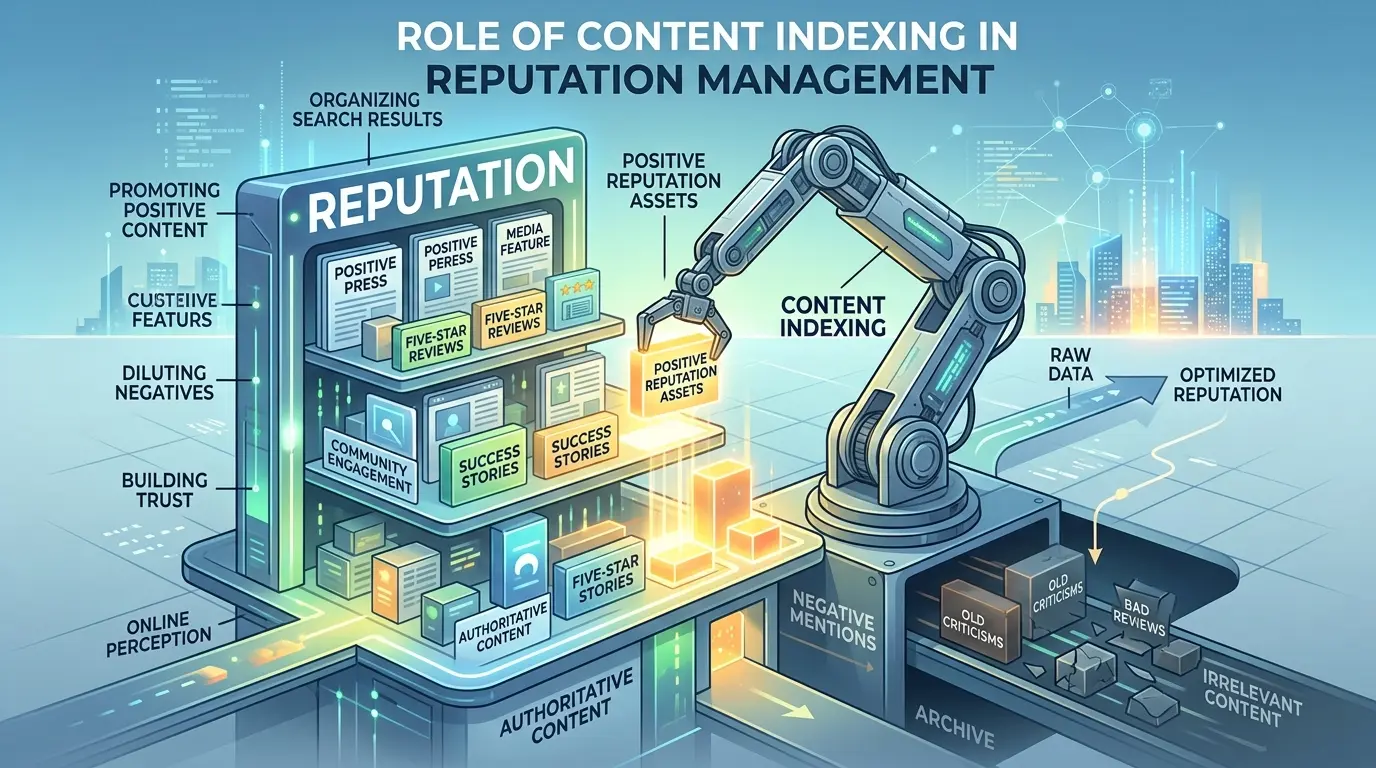
Entity perception is also important. An entity refers to the identifiable business represented across connected digital sources, while entity perception refers to how that business is represented through information associated with it. Consistent business names, descriptions, products and references help establish relationships between review content and the correct wholesale or distribution entity.
Why Does Search Visibility Matter to Retail Buyers?
Search visibility matters because retail buyers frequently use search engines to research suppliers, products and commercial relationships. Search engine results pages provide a filtered information environment in which websites, reviews, directories, trade references and other sources compete for visibility. The information that appears prominently therefore influences which reputation signals receive attention.
Search visibility is not equivalent to reputation, but it determines which reputation information is easiest to discover. A highly credible source that remains difficult to find has less immediate influence on users than prominent information appearing near the top of a relevant query. SERP evaluation therefore forms an important part of digital reputation analysis.
For wholesale and distribution businesses, branded searches and supplier-related queries can expose buyers to different parts of the digital footprint. A buyer searching for a distributor’s name can encounter the company’s website, review pages, directories or third-party references. The resulting SERP composition creates the initial information context for further evaluation.
How Does Content Ranking Influence Distributor Credibility?
Content ranking influences distributor credibility by determining which information becomes prominent when buyers conduct relevant searches. Ranking systems evaluate content according to numerous signals, including relevance, authority and quality. A ranking position therefore represents a search visibility outcome rather than a direct measurement of business credibility.
High-visibility authoritative information can provide stronger contextual support for an entity. For example, accurate business information appearing across credible sources gives users more reliable material for evaluating the organisation. Conversely, highly visible negative content can dominate the initial information environment even when other sources provide a more balanced representation.
The relationship between ranking and credibility is therefore indirect but commercially relevant. Search engines determine visibility through ranking systems, while users use visible information to form perceptions. Understanding this distinction prevents the assumption that search ranking itself proves whether a distributor is reliable.
What Trust Signals Do Retail Buyers Look For in Reviews?
Retail buyers look for trust signals that reduce uncertainty around supplier performance. These signals include consistent fulfilment information, product accuracy, communication quality, stock reliability and evidence of dependable commercial interactions. The usefulness of each signal depends on the buyer’s purchasing requirements and the specificity of the review content.
Detailed reviews provide stronger contextual information because they explain what happened rather than simply expressing approval or dissatisfaction. A review that describes order accuracy, delivery timing or product consistency gives buyers information they can compare against their own requirements. This creates a more useful reputation signal than an isolated numerical rating.
Trust also develops through corroboration. When independent reviews, business information and authoritative third-party references communicate consistent facts, the entity’s digital representation becomes more coherent. This consistency supports online credibility by reducing contradictions across the digital footprint.
Dive Deeper With Our Expert Guides:
How Acquisition Rumours Affect a Company’s Market Perception
Why Customer Service Screenshots Go Viral and Define Brands
How Does the Digital Footprint Affect Wholesale Reputation?
The digital footprint affects wholesale reputation by creating the complete collection of publicly accessible information associated with a distributor or wholesaler. Digital footprint refers to websites, reviews, directories, social profiles, trade references, published documents and other online content connected with an entity. Reviews therefore represent one component of a much larger reputation system.
A broad and consistent digital footprint provides more information for both users and search engines to evaluate. Accurate business details across authoritative sources help establish entity relationships, while inconsistent information can introduce ambiguity. The quality and coherence of the footprint therefore influence how the business is represented online.
The footprint also changes continuously. New reviews, updated websites, directory changes and external publications add or modify information over time. Reputation is therefore a dynamic system rather than a fixed asset, with content creation and content indexing continually changing what retail buyers can discover.
Are Wholesale Reviews More Important Than Distributor Websites?
Wholesale reviews and distributor websites provide different types of reputation information, so their value depends on the information being evaluated. A business website primarily communicates information controlled by the entity, including products, services, policies and company details. Reviews provide independent user-generated evidence that can either reinforce or challenge those claims.
This difference creates complementary trust signals. A distributor can describe its delivery standards on its website, while reviews provide external evidence about how customers experienced fulfilment. Retail buyers can compare both information types to evaluate consistency between stated capabilities and publicly documented experiences.
Search engines also process these sources differently according to their content, authority and relevance. A website may provide stronger primary information about the entity, while independent review pages add third-party context. A comprehensive reputation assessment therefore considers both rather than treating either source as universally superior.
How Does Review Recency Affect Supplier Reputation?
Review recency affects supplier reputation by indicating how closely the available feedback relates to current business operations. Recent reviews provide evidence about more current experiences, while older reviews represent historical conditions. Retail buyers therefore interpret review dates alongside the substance and consistency of the feedback.
A change in review sentiment over time can provide a useful reputation signal. Consistently positive feedback across recent periods creates a different information pattern from historical complaints followed by sustained positive experiences. The timeline provides context that a simple overall rating cannot fully communicate.
Recency also affects search perception because newly published content changes the available information environment. Search engines continually discover and process new content, while users encounter reviews according to platform visibility and query behaviour. Review analysis therefore benefits from examining both sentiment and chronology.
How Can Retail Buyers Evaluate Wholesale and Distributor Reviews?
Retail buyers can evaluate wholesale and distributor reviews by examining relevance, specificity, recency, consistency and source context. These factors help distinguish useful commercial evidence from generic sentiment. Evaluation becomes more accurate when buyers compare review information with the distributor’s stated capabilities and independent business references.
A structured review evaluation can:
- Assess relevance by identifying whether the review discusses operational factors such as fulfilment, product quality or communication.
- Examine specificity by determining whether the reviewer provides concrete information rather than unsupported claims.
- Compare recency by identifying whether the feedback reflects current or historical business conditions.
- Check consistency by comparing recurring themes across independent reviews and other reputation sources.
This process turns reviews into structured reputation evidence rather than treating star ratings as definitive conclusions. Retail buyers can then evaluate supplier credibility using a broader information set that includes both positive and negative signals.
How Do Reviews Contribute to Long-Term Distributor Reputation?
Reviews contribute to long-term distributor reputation by continuously adding third-party information to the business’s digital footprint. Each review provides a discrete reputation signal, while the combined collection creates a broader representation of customer experiences over time. This makes review content an evolving component of online credibility.
Long-term reputation depends on patterns rather than isolated statements. Repeated positive references to consistent fulfilment establish a different semantic association from recurring complaints about the same operational issue. The accumulation of similar signals can therefore influence how the entity is interpreted by users researching the business.
The long-term effect also depends on content visibility. Reviews that remain accessible and discoverable contribute more directly to the information environment than content that is difficult to locate. Search visibility, indexing and platform architecture therefore determine how reputation information remains available to future retail buyers.
How Should Wholesale and Distributor Reviews Be Understood Within Reputation Management?
Wholesale and distributor reviews are best understood as third-party reputation signals within a broader digital information ecosystem. Reputation management is the structured analysis of information that influences how an entity is represented, discovered and evaluated online. Reviews provide one evidence source within that system rather than functioning as a complete reputation measure.
Online reputation refers to the cumulative perception created by websites, reviews, directories, social references, search results and other digital content. Search engines evaluate this information through indexing and ranking systems, while retail buyers interpret visible information according to commercial relevance and trust. The interaction between these processes explains why review content has significance beyond the review platform itself.
For wholesale and distribution businesses, reviews help connect operational experiences with digital credibility. They provide evidence about fulfilment, product quality, communication and reliability while contributing sentiment and contextual information to the entity’s digital footprint. Understanding these mechanisms provides a stronger basis for analysing how supplier reputation forms within search ecosystems.
A deeper consideration of this topic is captured by Strengthening Distributor and Wholesale Reviews That Retailers Read, which examines how review signals and buyer-facing reputation information interact within the wider digital environment.
Wholesale and distributor reviews matter to retail buyers because they provide independent reputation signals about supplier reliability, product quality, fulfilment and communication. These signals complement business-controlled information and help buyers evaluate commercial credibility through publicly available evidence.
Search engines add another layer by indexing and ranking review-related content within broader digital ecosystems. Search visibility determines which information receives attention, while sentiment, authority, relevance and entity relationships influence how the surrounding information environment is interpreted.
The central concept is that reviews do not operate in isolation. They form part of a distributor’s digital footprint alongside websites, directories, social profiles and third-party references. Understanding review signals, content indexing, SERP evaluation and entity perception therefore provides a clearer explanation of how wholesale reputation influences retail buyer research.
Why do wholesale and distributor reviews matter to retail buyers?
Wholesale and distributor reviews provide reputation signals about supplier reliability, product quality, fulfilment and communication. Retail buyers use this information to evaluate commercial credibility before establishing or continuing a supplier relationship.
What do retail buyers look for in wholesale reviews?
Retail buyers typically evaluate reviews for information about delivery accuracy, product quality, stock reliability, communication and order fulfilment. Detailed and recent reviews provide stronger contextual evidence than unsupported ratings alone.
How do distributor reviews affect online reputation?
Distributor reviews contribute third-party information to the business’s digital footprint and influence how its reliability and credibility are perceived. Recurring positive or negative themes can shape sentiment distribution and the wider reputation signals associated with the entity.
Do wholesale reviews affect search engine visibility?
Wholesale reviews can contribute to the information environment surrounding a business when review content is indexed and visible in search results. Search visibility depends on broader ranking factors including relevance, authority, content quality and query context.
How can retail buyers evaluate the credibility of distributor reviews?
Retail buyers can assess review credibility by examining relevance, specificity, recency, consistency and source context. Comparing review claims with the distributor’s website and independent business references provides a broader basis for evaluating supplier reputation.